
1文で
ローカルLLMはプライバシー提供しますが4–10倍遅く、最低16 GBが必要で、Cloud API より品質低い — オフラインシナリオか緊急でないバッチ処理のみに使用してください。
簡潔に説明
<strong>ローカルLLM :</strong> 言語モデルをコンピュータにダウンロード(Ollama、LM Studio)。すべてのデータはプライベート。短所 : 遅い、能力限定、セットアップ複雑。
<strong>Cloud API(GPT-4o、Claude) :</strong> テキストをリモートサーバーに送信、< 1秒で応答。高速で知的、でもコスト(~1,000文字あたり $0.01)。
<strong>判断 :</strong> ローカルはプライバシー&オフライン。クラウドは速度&品質。
素早い判断:ローカル or クラウド?
<strong>ローカルを使う場合 :</strong>
• リモートサーバーにデータ送信できない(プライバシー、GDPR)。
• オフラインで作業する必要(インターネットなし)。
• セキュリティを速度より優先。
• ユースケースは緊急でない(バッチ分析、ドキュメント処理)。
<strong>クラウドを使う場合 :</strong>
• リアルタイムパフォーマンス重要(チャット、ライブ分析)。
• 最高品質必要(コード、複雑な推論)。
• 高ボリューム処理(1,000+ドキュメント/日)。
• インフラ管理したくない(メンテナンス0)。
• 長いコンテキストウィンドウ必要(100K+トークン)。
クイック判断マトリックス:ローカルLLM vs クラウドAPI
| タスク | ローカルLLM | クラウドAPI | 推奨 |
|---|---|---|---|
| プライバシー・機密データ | デバイス内に留まる | リモートサーバーに送信(DPA必須) | ✅ ローカル |
| リアルタイムチャット(< 2秒) | 5–10秒(CPU) | 0.5–1秒 | ✅ クラウド |
| コード生成 | 45–55% HumanEval(7B) | 90% HumanEval(GPT-4o) | ✅ クラウド |
| ドキュメント要約 | 対応可能(7Bで十分) | 対応可能+高速 | ⚖️ いずれでも可 |
| ゼロAPI費用 | $0/トークン(ハード後) | $0.01–0.05 per 1K tokens | ✅ ローカル(高ボリューム) |
| オフライン/インターネットなし | 完全オフライン | インターネット必須 | ✅ ローカル |
| 大規模コンテキスト(100K+トークン) | 4K–32Kトークン上限 | 128K–200Kトークン | ✅ クラウド |
| 本番SLA(99.9%) | SLAなし(ハードウェア故障可) | 99.9%稼働時間保証 | ✅ クラウド |
30秒判断ツリー
Q1:データプライバシー重要(法的、医療、機密)?
- ✓ YES → ローカル使用. プライバシーが主要利点。
- ✗ NO → 次の質問へ。
Q2:リアルタイム情報必要(ニュース、価格、最新情報)?
- ✓ YES → クラウド使用. ローカルモデルは訓練カットオフある。
- ✗ NO → 次の質問へ。
Q3:40+ GB RAM または ¥270,000+ GPU に余裕ある?
- ✓ YES → ローカル70B使用. 品質がクラウド相当、継続コスト$0。
- ✗ NO → クラウド使用. パワー不足ローカルより実用的。
Q4:まだ迷っている? PromptQuorum両方テスト.
まだ迷っている?実行前にテストしてください
ローカルとクラウドのあなたの特定のタスク決定が難しい場合、PromptQuorum無料で使用して:
- ローカルOllama AND 25+クラウドモデルに同時にpromptを送信
- output品質を並べて比較
- あなたのデータで実際の速度、コスト、品質差を見る
- 理論ではなく実際の結果で決定する
限界2:品質ギャップ — ローカルモデルは GPT-4o に及びません
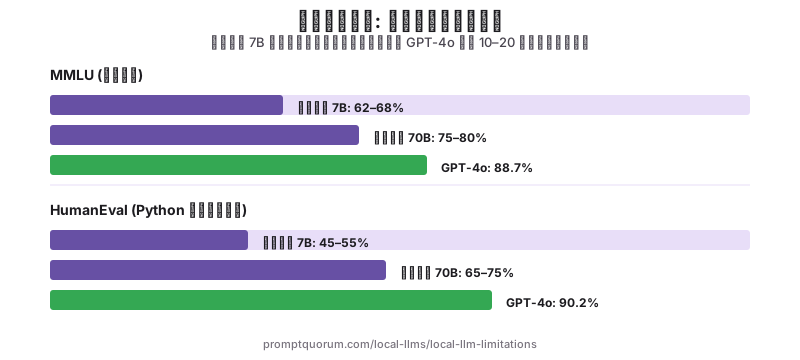
ローカルの 7Bモデルは標準ベンチマーク(MMLU、HumanEval)で GPT-4o から10–20ポイント低い。少なく見えますが実際は : 弱い推論、コード・数学エラー多い、微妙さの理解不足。
ローカルモデルの制約はより広いLLMの限界と重なります——ハルシネーション、推論の失敗、知識カットオフはデプロイ方法に関わらずすべてのモデルに影響します。LLMがいまだに確実にできないことの全体像はAI制限:LLMにできないことをご覧ください。
| モデル | MMLU(一般知識) | HumanEval(Python コード) |
|---|---|---|
| Local 7B | 62–68% | 45–55% |
| Local 70B | 75–80% | 65–75% |
| GPT-4o | 88.7% | 90.2% |
品質が本当に重要な場合
品質が本当に重要な場合
Use a local LLM if:
- •テキスト要約が必要(堅牢)
- •センチメント分析十分(7Bも信頼可)
Use a cloud model if:
- •コード生成&デバッグ(ローカル 7B エラー率 35–45% vs. GPT-4o 10%)
- •財務または医療分析(エラーは高い)
- •3段階以上の複雑推論
Quick decision:
- →シンプルタスク → ローカルOK
- →複雑タスク → Cloud
限界1:速度 — ローカルCPUは4–10倍遅い
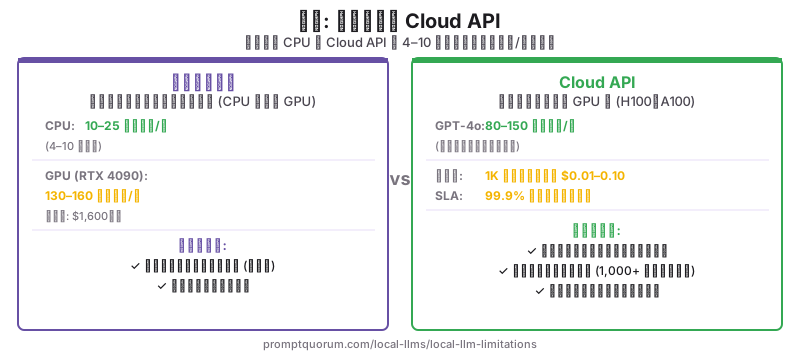
これが最大の実用的制約。ローカルCPU毎秒10–25トークン生成。Cloud API は80–150トークン/秒。ユーザー感覚 : ローカル = 複数秒待機;クラウド = 即座 < 1秒。
速度が重要な場合
速度が重要な場合
Use a local LLM if:
- •インタラクティブチャットで 10–25トークン/秒許容
- •プライバシーがレーテンシより優先
Use a cloud model if:
- •大量バッチ処理(100+ドキュメント)
- •常に < 1秒応答が必要
Quick decision:
- →インタラクティブ → ローカルOK
- →高スループット → Cloud
限界3:ハードウェア — 16–40 GB RAM 最小
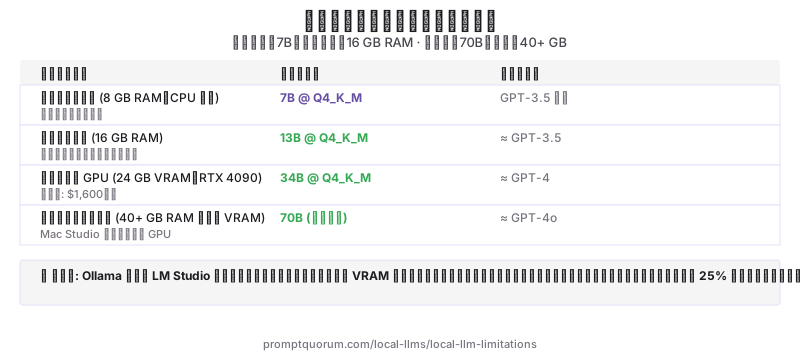
ローカルモデルは RAM 必要。7B 量子化(Q4_K_M)は約4GB;70Bは約40GB。OS、システムメモリ、コンテキスト追加 = 最低16 GB RAM が実用的。高い(GPU : ¥270,000+、Mac Studio : ¥348,800+)。
ハードウェアが制限要因の場合
ハードウェアが制限要因の場合
Use a local LLM if:
- •16+ GB RAM がある
- •7B–13B モデルで作業
Use a cloud model if:
- •8 GB RAM のみ(ノートパソコン)
- •> 13B モデル実行したい(24–40 GB 必要)
- •> 30 同時ユーザー提供(マルチGPU必要)
Quick decision:
- →ミッドレンジハード → ローカルOK
- →ハード制限 → Cloud
限界6:リアルタイム保証なし — ローカルは脆弱
ローカルLLM は稼働時間を保証しません。ノートパソコン freeze、Ollama crash、CUDA ドライバ fail : サポートなし、ダウンタイムのみ。Cloud API(OpenAI、Anthropic)は99.9%可用性(SLA)保証。本番 = クラウド勝ち。
可用性が重要な場合
可用性が重要な場合
Use a local LLM if:
- •5–10ユーザー向け内部ツール
- •実験&開発
Use a cloud model if:
- •顧客依存本番アプリ
- •金融取引または医療app
- •高可用性必須(停止がコスト)
Quick decision:
- →内部のみ → ローカルOK
- →本番SLA付き → Cloud
限界5:コンテキストウィンドウ — ローカル最大32K vs. クラウド128K–200K
コンテキストウィンドウ = モデルのメモリ長さ。ローカルモデルは通常4K–32Kトークン(約8K–64K単語)サポート。Cloud API は128K–200K。意味 : ローカルは最大50–80ページテキスト一度に;クラウドは本丸全体(> 300ページ)一度に分析可。
大きなコンテキストウィンドウが必要な場合
大きなコンテキストウィンドウが必要な場合
Use a local LLM if:
- •1論文または章(< 20ページ)一度
- •チャット短会話(< 10メッセージ)
Use a cloud model if:
- •本全体/長いドキュメント一度に分析
- •長い会話歴(> 20メッセージ)
- •RAGシステム大きいドキュメントセット
Quick decision:
- →小さいドキュメント → ローカルOK
- →大きいコンテキスト → Cloud
限界4:セットアップ時間 — 20–40分ローカル vs. 5分クラウド
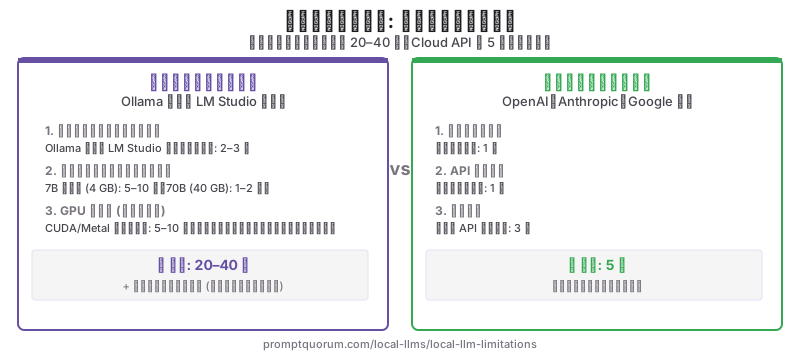
ローカルセットアップに時間要 : Ollama インストール(3分)、モデルダウンロード(5–60分、サイズによる)、GPU 設定(5–10分)。Cloud API : メール登録(1分)、API キーコピー(1分)、最初の API 呼び出し(3分)。クラウド明らかに勝ち。
セットアップ速度が重要な場合
セットアップ速度が重要な場合
Use a local LLM if:
- •セットアップ一度、長期使用
- •内部IT チーム がインフラ構築可能
Use a cloud model if:
- •すぐに生産的になりたい
- •ラピッドプロトタイピング/ハッカソン
- •最小IT インフラ
Quick decision:
- →あと長期 → ローカルOK
- →すぐに開始 → Cloud
地域別コンプライアンス : ローカル vs. クラウド
<strong>日本(METI AI Governance 2024):</strong> 日本はデータ主権のための地元・連邦モデルを推進。金融、医療などの規制業界にはローカル推論推奨。Government 2024ガイドラインで明示的に AI ガバナンスサポート。Cloud API : ローカルキャッシュ/エッジコンピューティングで許容。
<strong>東アジア・APAC(データ越境規制):</strong> 各地域でデータレジデンシー要件が異なる。マルチASDN/APAC準拠パターン。ローカル推論はほぼ常に許容されて且つ推奨される。
<strong>グローバル(最高品質・スケール優先):</strong> ローカルで最高品質が不可能な大規模アプリケーションはクラウドAPI(GPT-4o、Claude 3.5 Sonnet (2024))推奨。
Cloud API の最適ユースケース
- <strong>リアルタイムチャットボット :</strong> ユーザーは < 2秒待機。ローカル : 5–10秒(4–10倍遅い)。クラウド : 0.5–1秒(4–10倍高速)。
- <strong>大量バッチ :</strong> 1,000+ドキュメント/日。ローカルGPU がボトルネック;クラウド並列化で自動スケール。
- <strong>コード生成 :</strong> GPT-4o = 90%コード精度;ローカル7B = 45–55%。本番コード : クラウド。
- <strong>長いドキュメント(100K+トークン) :</strong> GPT-4o 128K コンテキスト;Llama 2 最大32K。本全体、論文 : クラウド。
- <strong>メンテナンス0 :</strong> クラウド = 自動更新、パッチ、監視。ローカル = IT が CUDA ドライバ、ファームウェア、稼働時間管理。
- <strong>高可用性 :</strong> クラウド99.9% SLA;ローカル = 脆弱(クラッシュ = ダウンタイム)。
ローカルLLMを使ってはいけない場合
<strong>❌ SLA バックアップなし本番に非ローカル :</strong> サービスが顧客データ処理でダウンタイム = コスト。ローカルハードは落ちる;クラウド = 冗長。
<strong>❌ 複雑コード非ローカル :</strong> ローカル7B エラー率 = 35–45%、GPT-4o = 10%。本番コードへのリスク高い。
<strong>❌ IT チームなし非ローカル :</strong> 独りエンジニアで GPU セットアップ/CUDA トラブル時間ない。Cloud API が生産速い。
<strong>❌ 速度 > プライバシーの場合非ローカル :</strong> リアルタイムチャット = クラウド速度必須。プライバシー妥協可(DPA )パフォーマンス重要なら。
<strong>❌ > 30同時ユーザー非ローカル :</strong> 単一GPU = ボトルネック。クラウド = 水平スケール(高いが機能)。ローカル = mega インフラプロジェクト。
用途別ベストローカルLLM
すべての用途 : <strong>Ollama または LM Studio を使用</strong>(両方無料、同じモデルサポート)。
| 用途 | 16 GB RAM | 40+ GB RAM | 推奨 |
|---|---|---|---|
| 一般知識 / Q&A | Llama 2 13B | Llama 3.3 70B | ローカルOK、品質重視ならクラウド |
| コードアシスタント | Mistral 7B | Codellama 34B | クラウド勝ち(GPT-4o 90% vs. 50%) |
| テキスト生成/執筆 | Mistral 7B、Qwen 7B | Llama 3.3 70B、Qwen 72B | ローカルOK |
| データ機密処理 | Llama 2 13B(GDPR OK) | Llama 3.3 70B(最高品質) | ローカル推奨(プライベート+GDPR準拠) |
| チャットアシスタント(リアルタイム) | 非推奨(遅い) | GPU 必須(RTX 4090) | クラウド(GPT-4o、Claude)— 4–10倍高速 |
| バッチ分析(100+ドキュメント) | ローカルOK、時間かかる | ローカル勝ち(クラウドコストなし) | 夜間ローカル実行 |
クイックファクト : ローカル vs. クラウド
| 指標 | Local(Ollama/LM Studio) | Cloud(OpenAI/Anthropic) |
|---|---|---|
| 速度 | 10–160 トークン/秒(CPU/GPU) | 80–150 トークン/秒 |
| 品質(ベンチマーク) | 7B: 62–68% MMLU;70B: 75–80% | GPT-4o: 88.7% MMLU |
| ハード | 16–40 GB RAM または GPU | ハード不要 |
| セットアップ時間 | 20–40分 | 5分 |
| プライバシー | 100% プライベート(GDPR OK) | DPA 必須 |
| 可用性 | SLA なし(脆弱) | 99.9% SLA |
| コスト | GPU ¥270,000+(1回) | $0.01–0.10 1K トークン単位 |
| コンテキスト | 4K–32K トークン | 128K–200K トークン |
よくある質問
ローカルLLMはCloud APIより遅いですか?
はい、かなり。CPU = 10–25トークン/秒、クラウド = 80–150トークン/秒。リアルタイムチャットはローカル遅い。バッチ処理はローカルOK。
ノートパソコンで70Bモデルは実行できますか?
いいえ。70Bモデルは40 GB RAM/VRAM 最小。16 GBノートパソコンは13Bモデル圧縮が限界。
ベストなローカルLLMはどれですか?
Llama 2 13B または Mistral 7B(16GB;≈GPT-3.5)。Llama 3.3 70B(40GB;≈GPT-4)。最高品質:Cloud API。
ローカルをオフラインで使用できますか?
はい、主な利点。ダウンロード後ローカル実行 — インターネット不要。Cloud API は常にネット必須。
ローカルコンテキスト最大サイズは?
ふつう4K–32Kトークン。クラウドAPI = 128K–200K(GPT-4o、Claude)。大きいドキュメントはクラウド。
ローカルLLMに GPU が必要ですか?
不要ですが強く推奨。CPU = 10–25トークン/秒(とても遅い)。GPU = 50–160トークン/秒(使える)。リアルタイムチャット GPU 必須。
ローカルLLMはいくら かかりますか?
ダウンロード&実行無料。ハード高い(GPU ¥270,000+)。Cloud: $0.01–0.10 / 1Kトークン。少量ボリュームはクラウド安い。
Ollama か LM Studio どちらですか?
Ollama = CLI、高速、自動化簡単。LM Studio = GUI、初級者。本番 = Ollama。試験 = LM Studio。同じモデル実行。
GPT-4o をローカルで実行できますか?
いいえ、OpenAI は重みを提供しません。GPT-4o は OpenAI API のみ。ローカル代替案(Llama 70B、Qwen 72B)似た、非同一。
ローカルLLMセットアップの時間は?
20–40分合計。(1) インストール 2–3分。(2) ダウンロード 5–10分。(3) GPU 設定(オプション) 5–10分。Cloud : 5分。
ローカルLLMそれともCloud APIを使うべき?
プライバシーが重要ならローカル。速度またはリアルタイムデータが重要ならCloud。迷っていますか?PromptQuorumで両方テストしてください。1つのプロンプトをローカルOllamaと25+個のクラウドモデルに同時に送信して、特定のタスクで品質を比較します。
ローカルLLMはCloud APIより速いですか?
いいえ。Cloud API は毎秒80–150トークン生成します。ローカルLLMのCPUは毎秒10–25トークン生成 —4–10倍遅い。GPUが役立つ : NVIDIA RTX 4090は毎秒130–160トークンに達し、クラウドと並びますが、¥270,000+費用です。
ローカルLLMはクラウドより安いですか?
使用方法による。ローカルは¥120,000–300,000ハードウェア初期費用。クラウドは月$5–50。軽度ユーザー(<100Kトークン/月)はクラウドが安い。ヘビーユーザー(>1000万トークン/月)は6–12ヶ月でローカルが元を取ります。
ローカルLLMをクラウドの代わりに使うべき時は?
ローカル使用時 :プライバシーが重要(デバイスからデータが出ない)、十分なハードウェア(16+ GB RAM または70B用40+ GB)がある、リアルタイム情報が不要、セットアップの複雑さが許容できる。クラウド使用時 : 速度が重要、リアルタイムデータアクセスが必要、ハードウェアが制限(<8 GB RAM)、またはフロンティアレベルの推論が必要。
ローカルLLMの主な制限は何ですか?
6つの主な制限 : (1) フロンティアクラウドモデル対複雑な推論品質が低い、(2) コンシューマーハードウェアでの推論が4–10倍遅い、(3) ハードウェア要件が高い(¥120,000–300,000初期費用)、(4) リアルタイム情報アクセスなし(トレーニングカットオフ日)、(5) セットアップの複雑さ(クラウド5分対20–40分)、(6) コンテキストウィンドウが制限(ローカル4K–128Kトークン対クラウド1M+)。
リファレンス&出典
ローカルLLMの一般的ミス
- 1<strong>間違い量子化 :</strong> Q8 または Q6 は RAM 多すぎ。Q4_K_M(最高バランス)または Q3_K_M(16GB未満)使用。
- 2<strong>モデル小さすぎ :</strong> 3Bモデルは使い物にならない。最小 : 7B。推奨 : 13B。
- 3<strong>GPU 非加速 :</strong> CPU は50倍遅い。安い GPU(RTX 4060)でも価値有り。
- 4<strong>初期レイテンシ無視 :</strong> 最初のトークン = 2–5秒(スタート時間)。その後高速。
- 5<strong>コンテキストウィンドウ大き過ぎ :</strong> 32K コンテキスト = 8倍メモリ。4K–8K から開始。
- 6<strong>Docker/コンテナ化なし :</strong> Ollama Docker は可搬的&保守性高。ネイティブインストール = ドライバ混乱。