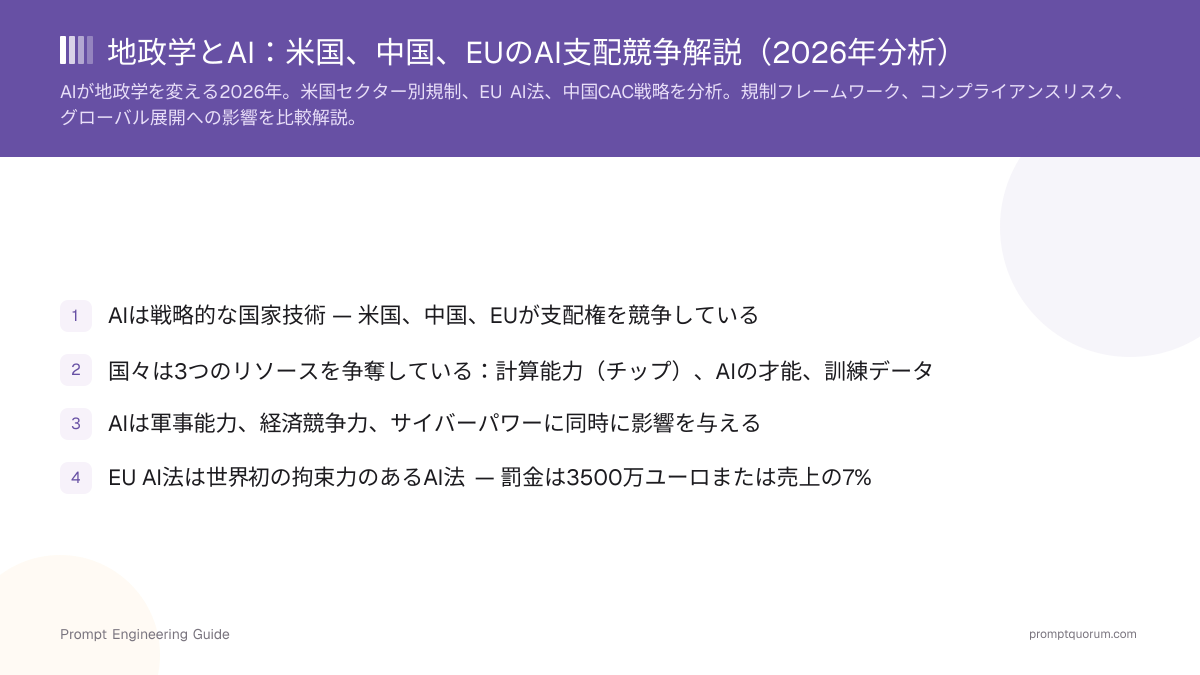
クイックファクト:AI地政学の全体像
📍 In One Sentence
AI の能力は少数の国と企業に集中しています。先端半導体、巨額の資本、希少な専門人材を必要とするためであり、その結果、モデルへのアクセスは製品選択にとどまらず国家政策の問題になっています。
💬 In Plain Terms
どのモデルを使えるかは、どこにいるかに左右されるようになってきました。輸出規制、データ所在地の規則、各国の AI 政策が、その国で何が利用できるかを決めます。同じツールがある市場では当たり前に使え、別の市場では使えないのはそのためです。
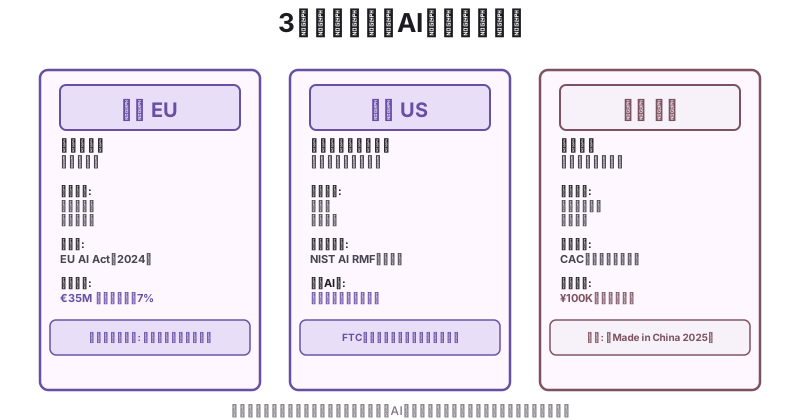
- EU AI法: 世界初の拘束力のあるAI法。デジタル・オムニバスは2026年7月27日に発効し、単独型ハイリスクAI(附属書III)の適用を2026年8月2日から2027年12月2日へ延期、製品組み込み型ハイリスクAI(附属書I)は2028年8月2日へ延期された。一方、第50条の透明性義務(AI利用の開示、ディープフェイクの表示)は予定どおり2026年8月2日に施行された。罰金は最大3,500万ユーロまたは世界年間売上高の7%。
- 米国のAI政策: 連邦AI法は存在しない。トランプ政権は大統領令14365号(2025年12月)と国家フレームワーク(2026年3月)を通じて州法への連邦優先を推進。FTCは大統領令が義務付けたAIの正確性と州法優先に関する政策声明を、3月11日の期限から4カ月遅れの2026年7月7日に公表し、2026年7月31日にパブリックコメントを締め切った。TRUMP AMERICA AI法も、民主党側の対抗法案GUARDRAILS法も議会を通過しておらず、いずれも議論案の段階にとどまっている。
- 中国のAIガバナンス: CAC(中国国家インターネット情報弁公室)による事前審査が義務。コンテンツフィルターは中国共産党批判、台湾/チベット/新疆に関する議論、「社会主義の核心的価値観」を損なう内容をブロックする。フィルターはHTTP 4xxエラーではなくHTTP 200で`is_safe: 0`フラグを返す。PIPLは中国国民の個人データについてデータ現地化を義務付けている。
- ハードウェアのボトルネック: NvidiaはAIトレーニング用GPU市場の約80%を占める。TSMCは先端半導体の約90%を製造する。両者は地政学的な火種であり、米国のCHIPS法(520億ドル)はTSMC依存の低減を目指している。
- DeepSeek-R1の影響: 推論・コーディング(AIME 2024、MATH、HumanEval)でGPT-5.6を上回りながら、訓練コストは推定約600万ドル(フロンティアモデル推定比94%減、金額は議論あり)。中国向けに制限されたNvidia H800 GPUで訓練され、ハードウェア輸出規制に限界があることを示している。
- 世界的な規制の対立: EUは権利と安全性を重視し、米国はイノベーションと競争力を重視し、中国は国家統制と戦略的優位性を重視する。グローバルにAIを展開する組織は、3つの相容れない枠組みを同時に乗りこなす必要がある。
EU組織の場合:重要なコンプライアンス期限
EU AI法は拘束力があり、その透明性規則とGPAI規則は2026年8月から施行されている。 EU本拠地の組織またはEUユーザーにサービスを提供する場合、4部構成のリスク分類システムを満たす必要がある。2026年7月27日発効のデジタル・オムニバスにより単独型ハイリスクAIの適用は2027年12月2日へ延期されたが、チャットボットやAI生成コンテンツの開示義務は当初予定どおり2026年8月から適用されている。禁止慣行の罰金は3500万ユーロまたは世界売上の7%に達する — どちらか大きい方。非準拠は交渉の余地がない。
EU内でGPT-5.6、Claude Opus 5、またはGemini 3.1 Proを展開する場合、汎用AI(GPAI)の準拠ドキュメントを確認する必要がある。 OpenAI、Anthropic、GoogleはAug 2025からトランスペアレンシードキュメント(訓練データサマリー、パフォーマンスボーダー、セキュリティテスト)を発行している。これらの認定書を準拠の証拠として保存 — 規制当局がそれを求める。
高リスクAIシステム(採用、信用決定、ヘルスケア、執行)は展開前に準拠評価が必要。 これは、バイアスのテスト、人間監視メカニズムのドキュメント、すべてのAI決定の監査ログを意味する。ローカルに展開されるオープンウェイトモデル(LLaMA via Ollama、Mistral Large)はデータ常駐要件を満たす — データは決してインフラから出ず、監査証跡を制御する。
ブリュッセル効果はあなたにも適用される。 あなたのAIシステムが単一のEU住民に到達した場合、EU AI法が適用される — 組織がUS または中国に本拠地を置いている場合でも。つまり、複数の構成の管理より全体的に同じコンプライアンスレベルを実施する方が簡単。
ジオポリティクスがプロンプト最適化を変える方法:国ごと
あなたのAI出力が消費される場所は、プロンプトが何をする必要があるか、そして何を避ける必要があるかを決定する。 言語はモデルパフォーマンスに直接影響を与える:英語で書かれたプロンプトを中国のモデル(ERNIE 4.0、Qwen)に送信することは、同じプロンプトを中国語で書いて送信するより悪い。法律はプロンプト設計に構造的に影響を与える:EU AI法の開示要件、米国セクター規制、中国の CAC コンテンツフィルターはそれぞれ異なる制約を課す、プロンプトをどのように書くことができるか、何の出力が生成できるか、アプリケーションが回答にどのように反応する必要があるかについて。
モデルの可用性を形成する地政学的ダイナミクスは、オープンソース対プロプライエタリの問いを特に重要にします。オープンソースが勝つ場合とプロプライエタリモデルがコストに見合う場合の完全な比較については、オープンソース vs プロプライエタリLLMをご覧ください。
ヨーロッパ連合
- プロンプトの法的制限:
- EU AI法:EU消費者向けコンテンツを生成するプロンプトはAI開示を含む必要がある。GDPR:プロンプトに法的根拠なく個人データを含めることはできない。高リスクAIアプリケーション(HR、クレジット、ヘルスケア)は人間の監視が必要 — プロンプトは最終決定を自動化することはできない。
- 言語最適化:
- ターゲット言語(ドイツ語、フランス語など)でプロンプトを書く — GPT-5.6 と Claude Opus 5 は、プロンプトが出力と同じ言語の場合、非英語タスクでかなり良好。出力言語をシステムプロンプトに明示的に指定。
- 推奨モデル:
- Mistral Large(フランス語、EU本拠地)、ローカル Ollama 実装(データはインフラを離れない)、またはEU地域APIエンドポイントと SCC を持つGPT-5.6/Claude。
アメリカ合衆国
- プロンプトの法的制限:
- 連邦AI法なし、ただしセクター規則が適用:HIPAA(ヘルスケア — PHI はプロンプトに含まれない)、CCPA/CPRA(カリフォルニア — プロンプト内の個人データは消費者権利をトリガー)、FTC法(プロンプトは消費者コンテキストで欺瞞的なコンテンツを生成することはできない)。州の生体認証法(イリノイ BIPA)は顔/音声データを処理するプロンプトを制限。
- 言語最適化:
- US フロンティアモデル(GPT-5.6、Claude Opus 5)は英語に最適化され、英語プロンプトで最高のパフォーマンスを達成。スペイン語の米国市場では、モデルに明示的にスペイン語を指示するか、二言語システムプロンプトを使用 — 自動検出に依存しないこと。
- 推奨モデル:
- 一般使用では GPT-5.6 または Claude Opus 5。規制されたヘルスケアまたは金融プロンプトでは、SCC を備えた API を使用し、プロンプトコンテキストで PHI/PII を送信しないこと。
中国
- プロンプトの法的制限:
- CAC 生成型AI対策(2023):CP主導部、台湾/チベット/新疆の独立、1989年の天安門事件、または「社会主義の核心的価値」を損なうものに関するコンテンツをリクエストするプロンプトはブロックされる。HTTP 200 で is_safe: 0 として返される。PIPL:中国ユーザーの個人データを含むプロンプトは非中国サーバーに転送することはできない。
- 言語最適化:
- 中国語タスクでは簡体字中国語(北京官話)でプロンプトを書く — Qwen2.5 と ERNIE 4.0 は中国語ベンチマーク(C-Eval)で 10-20% 高いスコアを達成 vs 英語で同じプロンプト。技術用語に中国語等価がない場合は Pinyin または英語を使用。
- 推奨モデル:
- Qwen2.5 72B(中国外で自己ホスト、CAC フィルターなし)クロスボーダータスク用。ERNIE 4.0 via Qianfan API(CAC 登録)消費者向け中国実装用。DeepSeek-R1 は推論タスク用、フィルタリングコンテンツエリアに触れないもの。
UK / ポストブレグジット
- プロンプトの法的制限:
- UK GDPR(EU GDPR と同等)個人データに適用。UK AI Safety Institute はモデルレベルの準拠ではなくフロンティアモデル評価に焦点。拘束力のあるAI開示法なし — UK はイノベーション志向のセクター主導のアプローチを選択。OFCOM はブロードキャストコンテキストで AI生成コンテンツを規制。
- 言語最適化:
- プロンプト内のイギリス英語の綴りと慣用句が UK 関連コンテンツの出力品質を向上させる。GPT-5.6 は明示的な「UK English」の指示に応答;これなしで標準は American English。
- 推奨モデル:
- GPT-5.6 または Claude Opus 5。UK-EU データ転送はブレグジット後 SCC が必要 — UK 適切性決定が存在するも審査対象。
日本
- プロンプトの法的制限:
- 日本個人情報保護法(APPI)はAIプロンプトでの個人データ使用を制限。日本は専門AIの法律を持たない(2026年)— METI と内務省のガイダンスは任意。日本は広島AIプロセスに参加 — その11の原則への準拠は日本企業に推奨。
- 言語最適化:
- 日本語タスク用の日本語プロンプトはすべての主要モデルで英語プロンプトを上回る。GPT-5.6 と Claude Opus 5 は日本語をよく処理;楽天 AI と NTT LLM は日本固有の実装で利用可能。カジュアル(タメ口)レジスターをシステムプロンプトで避ける — 敬語の定式化は日本のビジネスコンテキストで準拠と出力品質を改善。
- 推奨モデル:
- 一般的な日本語タスク用 GPT-5.6 または Claude Opus 5。楽天 AI(楽天グループ)または NTT LLM は日本国内準拠に敏感な実装用。
AI地政学:主要データポイント
以下の数値は、AI分野における現在の地政学的競争を規定する、政府のAI投資規模、ハードウェアの集中度、研究能力の規模を示している。
- 政府のAI投資 — 米国: CHIPS and Science Act(2022年)により国内半導体製造向けに520億ドル、さらに科学研究開発向けに2,000億ドルを割り当て。National AI Initiative Actは25の連邦機関にわたりAI研究に資金を提供している。
- 政府のAI投資 — 中国: 2021〜2025年に政府主導のAI・半導体投資として推定1兆元(1,400億ドル)。2030年までの世界的なAIリーダーシップを目標とする「新世代AI発展計画」を含む。
- 政府のAI投資 — 欧州連合: 欧州イノベーション評議会AI基金から10億ユーロ。加盟国の戦略を合わせると100億ユーロ超:ドイツ50億ユーロ(2019〜2025年)、フランス20億ユーロ、英国10億ポンド(AI安全性と計算資源に)。
- 半導体製造の集中: TSMC(台湾)は7nm未満の世界最先端チップの約90%を製造している。ASML(オランダ)は先端ノード製造に必要なEUVリソグラフィ装置の唯一の製造企業であり、オランダに世界のチップ供給網における構造的なボトルネックを与えている。
- Nvidia GPUの市場シェア: NvidiaはAIトレーニング用GPU市場の約80%を占める。H100・H200シリーズはOpenAI、Google DeepMind、Anthropic、Baiduにおけるフロンティアモデル訓練の大部分を支えている。
- AI研究者の分布: 論文の影響度で見ると、世界トップクラスのAI研究者の約40%が米国に所属する(Stanford HAI 2024 AI Index)。中国はコンピュータサイエンス博士号取得者数で世界最多 — 年間約5万人 — であり、主要AI学会の著者の約30%を占める。
- AI特許出願: 中国は2022年の世界AI特許出願の約70%を占める(WIPO Global Innovation Index)。米国は引用数と実用化された発明で優位に立ち、中国は件数で優位に立つ。
- モデル訓練コストの圧縮: 94%のコスト削減 — GPT-4の訓練計算コストは推定約1億ドル(2023年)だったのに対し、DeepSeek-R1は報告ベースで約600万ドル(2025年1月)。このギャップは、米国の計算コストに基づく輸出規制が中国のフロンティアAI開発を恒久的に制約できないことを示している。
- EU AI法の適用範囲: 同法はEU加盟27か国、4億5,000万人の消費者を対象とする。GPAIモデルのシステミックリスク閾値は訓練計算量10の25乗FLOPs — この水準を超えると追加の敵対的テスト要件が課される。
- ブレッチリー宣言(2023年11月): 米国、中国、EU加盟国を含む28か国が署名 — これまでで最も広範な国際的AI安全コンセンサスだが、法的拘束力はない。
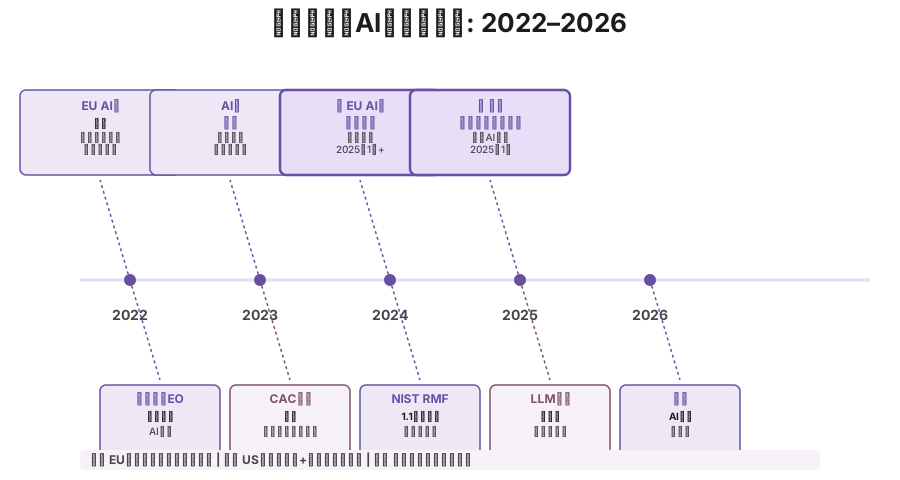
なぜAIは戦略的に重要なのか?
AIが戦略的に重要なのは、経済生産性、軍事的有効性、インテリジェンス分析、サイバー作戦という国力のあらゆる次元を同時に増幅するからだ。AIで先行する国家は、科学研究を自動化し、軍事兵站を最適化し、大規模な監視データを処理し、自律型兵器システムを開発できる。OECDは2030年までにAIが世界GDPに15兆7,000億ドルを追加しうると試算しており、AIでの主導権は20世紀における工業でのリーダーシップに相当する。AI能力で遅れをとる国は、防衛・貿易・外交にわたって複合的な不利益を被る。
どの国がAI開発を主導しているのか?
米国はフロンティアモデルの能力で主導している — OpenAI(GPT-5.6)、Anthropic(Claude)、Google DeepMind(Gemini)はすべて米国本社である。中国はAI特許件数で世界を主導しており(WIPO調べで2022年の世界特許の約70%)、米国外で最も能力の高い国産モデル — Alibaba Qwen2.5、Baidu ERNIE 4.0、DeepSeek-R1 — を有する。EUはAI規制で主導しているが、フロンティア能力では遅れをとっている — フランスのMistral AIが欧州最強の対抗馬だ。英国、カナダ、UAEは米国・中国いずれのインフラにも一元的に依存しない独立した主体としてAIに投資している。
チップはAI地政学でどのような役割を果たすのか?
半導体チップはAI能力の物理的基盤である。フロンティアモデルの訓練には数千基の特化型GPUを数か月間稼働させる必要があり、大規模モデル1回の訓練だけで1,000万〜1億ドルの計算コストがかかることもある。NvidiaはAIトレーニング用GPU市場の約80%を占め、台湾のTSMCがそれらを製造する。これにより2つの地政学的なボトルネックが生まれる — 米国は敵対国へのNvidia GPU輸出を制限でき(2022年以降、A100・H100の対中販売を制限)、TSMCの操業に何らかの混乱が生じれば世界のAIハードウェア供給は即座に縮小する。米国のCHIPS and Science Act(520億ドル)は、この単一障害点への依存を減らすため、国内ファブ能力に明示的に資金を投じている。
AIは世界のパワーバランスをどう変えうるか?
AIは、AIで先行する国家をその経済規模や人口規模に対して不釣り合いに強力にすることで、世界のパワーバランスを変えうる。軍事面では、AIは自律型ターゲティング、兵站最適化、人間が担うシステムでは到達し得ない速度でのシギント処理を可能にする。経済面では、AIによる生産性向上は複利的に積み上がる — フロンティアAIにアクセスできる国は、そうでない国との差を広げるGDP成長率を維持できる。外交面では、ハードウェア、モデル、ガバナンスの枠組みといったAIインフラを輸出する国は、ソフトパワーを獲得し、かつての石油輸出や通信インフラが生んだのと同様の依存関係を作り出す。EUのブリュッセル効果はすでに規制を通じてこれを実現している — EU AI法は、EU自身がモデル能力で主導していなくても、世界のAI開発を形作っている。
人工知能の地政学
人工知能の地政学とは、国家がAI能力、AI規制、AIインフラを権力の道具としてどのように活用するかを研究する分野である。 これは3つの異なる競争を包含する — 最も能力の高いモデルを構築する競争、世界のAI展開を規律する規制枠組みをめぐる争い、そしてフロンティアAIを可能にするハードウェアのサプライチェーンを支配するための闘いだ。
それぞれの次元は組織にとって具体的な帰結をもたらす。モデル能力はどのAIツールが利用可能かを決定する。規制枠組みはどのツールが許容され、どのような文書が必要かを決定する。ハードウェア支配は、どの国が単独でフロンティアAI開発を維持できるか — できないか — を決定する。米国、中国、EUはこれら3つの次元すべてで相容れない戦略を同時に追求している。
AI地政学における主要エンティティとその関係
AI規制とは、人工知能システムの開発・展開・統治を規律する法律、大統領令、任意のフレームワークの総体である。AI規制は主権国家と国際機関によって策定される。3つの主要な規制体制は、EU AI法(欧州連合)、NIST AIリスクマネジメントフレームワーク(米国)、CAC生成AI対策(中国)である。
米中テック覇権争いとは、半導体、人工知能、先端製造業における主導権をめぐる米国と中国の二国間競争である。この覇権争いは、米国によるNvidia GPUの輸出規制、中国の国産代替戦略(Made in China 2025)、対立するAIガバナンス枠組みを通じて表れる。EUはこの覇権争いの当事者ではなく、規制力を通じてそれを形作る第三の主体である。
EU AI法は、2024年3月に欧州議会で可決された規則である。EU AI局と各国の市場監視当局によって施行される。本社所在地にかかわらず、AIシステムがEUユーザーに影響を与えるすべての組織に適用される。EU AI法はブリュッセル効果と関連している — 域外適用されるため、事実上OpenAI、Google DeepMind、Anthropicを世界規模で規制している。
NVIDIAは、AIトレーニング用GPU(H100、H200、B200シリーズ)を設計する米国の半導体企業である。NVIDIAのハードウェアは、GPT-5.6、Claude、Gemini、その他大半のフロンティアAIモデルの訓練を支える主要な計算基盤である。対中NVIDIA GPU輸出規制は米中テック覇権争いの中心的なメカニズムである。NVIDIAの市場地位(AI用GPUの約80%のシェア)は、同社を商業的主体であると同時に地政学的主体にもしている。
TSMC(台湾積体電路製造)は、NVIDIA、Apple、AMD、Googleのために先端半導体を製造する台湾のファウンドリである。台湾という地理的所在 — およびこの島の政治的地位をめぐる係争 — がTSMCをAI地政学の重要な変数にしている。CHIPS and Science Actは、国内米国ファブに資金を投じることでTSMCへの米国の依存を減らす目的も部分的に持って制定された。
DeepSeekは、High-Flyer Capital Managementの支援を受ける中国のAI研究所で、2025年1月にDeepSeek-R1をリリースした。DeepSeek-R1は推論・コーディングのベンチマーク(AIME 2024、MATH-500、HumanEval)でGPT-5.6を上回りながら、中国向けに制限されたNVIDIA H800 GPUを用いて推定約600万ドルという — フロンティアモデル推定比94%減の — コストで訓練された。DeepSeekのリリースは、米国の輸出規制が中国のフロンティアAI開発を恒久的に制限できるという主張の説得力を弱めた。
AIの5つの地政学的次元
AI地政学は5つの異なる次元にわたって展開する。それぞれが米国、中国、EU間の独立した競争の舞台であり、AIを展開する組織に異なる義務とリスクをもたらす。
- 1. 経済。 AIは生産性、自動化、GDP成長を牽引する。優れたAI能力を持つ国は、製造効率、金融モデリングの優位性、より速い科学的発見を獲得する。OECDは2030年までにAIが世界GDPに15兆7,000億ドルを追加しうると試算しており、その大部分は主導的なAI国家が獲得する。
- 2. 軍事。 AIは自律型兵器システム、予測兵站、戦場インテリジェンス処理、機械的速度でのサイバー作戦を可能にする。米国、中国、ロシアはいずれもAI対応の軍事システムを開発している。米国防総省のJoint Artificial Intelligence Center(JAIC)と中国の軍民融合戦略は、いずれも国防のためのAIを優先している。
- 3. インテリジェンス。 AIは人間のアナリストには不可能な規模で衛星画像を処理し、シギントを傍受し、オープンソースデータを分析する。NSA、GCHQ、中国の国家安全部(MSS)はいずれもインテリジェンスの収集・分析にAIを用いている。AI生成の合成メディア(ディープフェイク)は新興のインテリジェンス・影響工作ツールである。
- 4. インフラ。 AIは物理インフラに依存する — 半導体ファブ(TSMC、Samsung、Intel)、データセンター、海底ケーブル、電力網である。重要なAIインフラ — チップ製造、クラウドプラットフォーム、訓練用計算資源 — を支配する国は、そうでない国に対して構造的な優位性を持つ。
- 5. グローバルガバナンス。 どの規制枠組みが世界標準になるかが、AIシステムに何ができるか、どのデータを使えるか、どの組織がAIを展開できるかを決定する。EU AI法、米国NISTフレームワーク、中国のCAC規制は3つの競合するガバナンスモデルを代表しており、ブリュッセル効果によりEUのモデルはすでに国境を越えて適用されている。
AI軍拡競争:米国、中国、EU
世界的な採用をめぐって、AIガバナンスに関する3つの相容れないビジョンが競合している — 米国はイノベーションと競争力を優先し、中国は国家主導によって戦略的なAI優位を達成しようとし、EUはブリュッセル効果を通じて世界に基準を輸出する権利ベースの法的枠組みを構築している。 このAI軍拡競争は主に民間主導だ — 主導的な研究所は民間企業(OpenAI、Anthropic、Google DeepMind、Baidu、Alibaba)だが、規制の主導権、ハードウェアのサプライチェーン、人材といった賭け金は地政学的である。
この競争は、誰が最も能力の高いモデルを作るかだけの問題ではない。どの規制枠組みが世界標準になるかの問題でもある。EU AI法はEUユーザーに展開されるあらゆるAIシステムに適用されるため、すでにブリュッセルを事実上OpenAI、Anthropic、Google DeepMindの世界的な規制者にしている。ハードウェア支配は第三の次元である — CHIPS and Science Act(520億ドル)とNvidia GPU輸出規制は、中国の計算資源へのアクセスを制限することを狙う。訓練コストのごく一部でGPT-5.6に匹敵したDeepSeek-R1の2025年1月のリリースは、そうした規制に限界があることを示した。これらのダイナミクスがモデルの利用可能性にどう影響するかは、オープンソース vs プロプライエタリLLMを参照。
- 米国の立場: フロンティアモデル能力(GPT-5.6、Claude Opus 5、Gemini 3.1 Pro)、チップ設計(Nvidia、AMD)、AI投資(OECD調べで2023年に民間投資670億ドル)で主導。統一された連邦AI法はなく、展開は加速するがコンプライアンスは断片化する。
- 中国の立場: AI特許件数、顔認識の規模、国家主導のインフラ展開で主導。モデル(Qwen2.5、ERNIE 4.0、DeepSeek-R1)は多くのベンチマークで競争力がある。Nvidiaアーキテクチャへのハードウェア依存が、輸出規制が狙う主要な戦略的脆弱性である。
- 欧州の立場: AI規制 — EU AI法は世界の参照枠組み — とオープンウェイト研究(フランスのMistral)で主導。フロンティアモデル能力と民間投資では遅れをとる。規制力で補う — ブリュッセル効果は米国・中国のプロバイダーに、世界向け製品でEU基準への準拠を強いる。
- ハードウェア層: Nvidia H100/H200 GPUがAI訓練を席巻する。米国の輸出規制は対中販売を制限。DeepSeek-R1は制限対象のH800 GPUで訓練され、報告コストは約600万ドル — GPT-5.6の訓練コスト推定比94%減 — であり、ハードウェア規制が中国のフロンティアAIを止めていないことを示している。
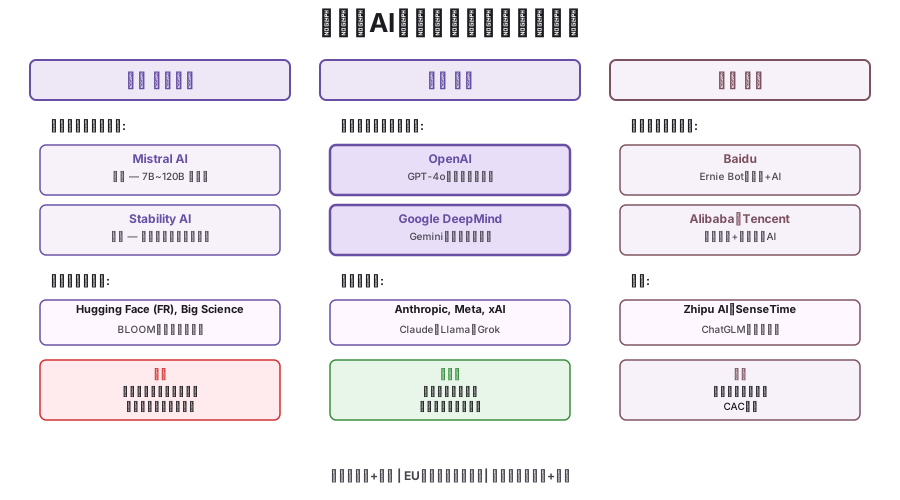
EU AI法:実際に何を求めているか
EU AI法はAIシステムを4段階のリスクに分類し、そのシステムが基本的権利と安全に及ぼすリスクの水準に応じて要件と罰則を設定する。 欧州議会は2024年3月、賛成523票、反対46票、棄権49票でこの法律を可決した — 主要なAI関連法制の中で最も広い政治的合意である。
この法律は、EU市場にAIシステムを提供するプロバイダー、EU域内でAIシステムを使用する実装者、輸入業者・販売業者に適用される — 本社所在地にかかわらず。AIの出力がEU加盟国で使用される米国企業もコンプライアンスが必要である。
- 容認できないリスク(禁止): 政府機関によるソーシャルスコアリング、公共空間でのリアルタイム生体識別(法執行における限定的な例外あり)、認知的脆弱性を悪用するAI、無差別な顔画像収集。これらは2024年8月以降禁止されている。
- 高リスク: 重要インフラ、教育、雇用、必須サービス(信用、給付)、法執行、国境管理、司法運営におけるAI。適合性評価、透明性文書、人間による監視、EUデータベースへの登録が必要。
- 限定的リスク: チャットボットとAI生成コンテンツ。開示が必要 — ユーザーはAIと対話していることを知らなければならない。
- 最小リスク: スパムフィルター、ビデオゲーム内のAI、重大な影響のないレコメンドシステム。既存法を超える特別な義務はない。
- 汎用AI(GPAI): GPT-5.6、Claude、Geminiのようなモデルは、訓練データの概要を公表し、EU著作権法を遵守し、重大インシデントを報告しなければならない。システミックリスクを持つモデル(訓練計算量10の25乗FLOPS超)は、追加の敵対的テスト要件に直面する。GPAI規則は2025年8月から適用された。
- 執行: EU AI局(欧州委員会内)がGPAIモデルを監督する。各国の市場監視当局が高リスクAI規則を執行する。罰金:禁止行為に対して最大3,500万ユーロまたは世界売上高の7%、高リスク違反に対して1,500万ユーロまたは3%。
- スケジュール: 禁止行為:2024年8月。GPAI義務:2025年8月。第50条の透明性義務(チャットボット/ディープフェイクの開示):2026年8月、デジタル・オムニバスの影響を受けない。単独型高リスクAIシステム(附属書III):デジタル・オムニバスにより2026年8月から2027年12月2日へ延期。規制対象製品に組み込まれた高リスクAI(附属書I):2027年8月から2028年8月2日へ延期。
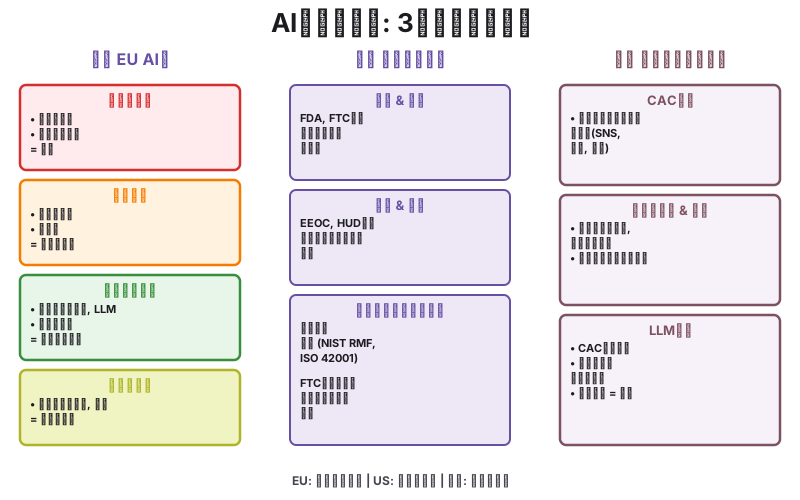
デジタル・オムニバス:高リスク期限は2027年12月へ延期確定
デジタル・オムニバスは採択済みである。2026年7月24日に官報で公布され、2026年7月27日に発効した — 当初の高リスク期限のわずか6日前である。 これにより、単独型高リスクAIシステム(附属書III — 雇用・信用・医療・法執行を含む最大のカテゴリ)の準拠は2026年8月2日から2027年12月2日へ、16カ月延期された。すでにEU製品安全法の対象となっている製品に組み込まれた高リスクAI(附属書I)は、2027年8月から2028年8月2日へ延期された。
延期されなかったもの: 人がAIシステムと対話していることの開示、AI生成の音声・画像・動画・テキストの表示、ディープフェイクの開示といった第50条の透明性義務は、予定どおり2026年8月2日に施行され、リスク区分ではなくシステムの機能に基づいて適用される。GPAI透明性義務(2025年8月から施行)と禁止行為の執行(2024年8月から施行)も影響を受けない。オムニバスはさらに、非同意の性的画像やCSAMを生成するシステムという2つの新しい禁止カテゴリを追加し、技術的セーフガードの猶予期間を2026年12月2日まで設定した。
組織が取るべき対応: 附属書IIIの単独型高リスク分類に該当するAIシステムがある場合、適合性評価の期限は2026年8月ではなく2027年12月2日となった — この追加期間を、急いで対応するのではなく文書化と人間監視プロセスをきちんと完成させるために活用すること。製品に第50条が対象とする機能(チャットボット、AI生成コンテンツ、ディープフェイク)が含まれる場合、その開示義務はすでに施行・執行されている — 今すぐ実装を確認すること。
🔍 解決済み:デジタル・オムニバスは2026年7月27日から発効
デジタル・オムニバスによる延期は確定し、拘束力を持つ — 2026年7月27日に発効し、単独型高リスクAI(附属書III)の期限を2026年8月2日から2027年12月2日へ移した。これは第50条の透明性義務(チャットボットの開示、AI生成コンテンツとディープフェイクの表示)には影響しない。これらは予定どおり2026年8月2日に施行され、すでに執行されている。
EU加盟国:各国のAI戦略
すべてのEU加盟国が国家AI戦略を採択しているが、投資水準、重点分野、実施ペースは大きく異なる。 フランスとドイツは資金面で主導し、北欧諸国はガバナンス枠組みで主導し、中東欧諸国はAIを防衛・行政に組み込む動きを強めている。
- ドイツ: 連邦AI戦略(Nationale KI-Strategie)、2023年更新。2019〜2025年に連邦プログラム全体でAI研究・インフラ・人材に50億ユーロを投資。主要大学に6つのAI研究拠点を設置。連邦議会ではAI責任に関する議論が続いている。フラウンホーファー協会とDFKI(ドイツ人工知能研究センター)が主要な研究機関である。
- フランス: マクロン大統領が発表した20億ユーロの公的AI投資(2024年)。France AI(政府調整機関)が国家戦略を管理する。パリは2025年2月にAI Action Summitを主催 — フランスのEU議長国下で開催された初のG7レベルのAIガバナンス・サミット。CNRSとINRIAが学術AI研究を主導。フランスは米国API依存への戦略的代替としてオープンウェイトAIを支持している。
- オランダ: 国家AI戦略2024年版更新、ACM(消費者・市場庁)が運営するAI規制サンドボックス。アムステルダムはSURF(国立研究ネットワーク)のAIクラスターを拠点とする。オランダデータ保護庁(AP)はAIシステム向けに特化したGDPR執行ガイダンスを発行した。
- ポーランド: 国家AI開発プログラムは防衛、サイバーセキュリティ、行政向けAIに重点を置く。ポーランドはNATO内で人口当たり防衛技術支出が最も高い国の一つであり、AIを軍事調達に組み込んでいる。ワルシャワは、2022年以降のウクライナ技術人材の移住にも一部後押しされ、成長するAIスタートアップ・エコシステムを擁する。
- スペイン: スペインの国家AI戦略(ENIA)は2021〜2025年に6億ユーロを割り当てる。AIと地政学に関するReal Instituto Elcanoの研究は国際的に引用されている。スペインはAESIA(スペインAI監督庁)を設立した — 2023年設立のEU初の国家AI規制機関である。
- スウェーデン: スウェーデンAI委員会は2024年に報告書を公表し、教育、公共部門展開、イノベーションを網羅する60超の提言を行った。Vinnova(スウェーデンのイノベーション機関)がAI研究に資金を提供する。スウェーデンはSpotifyのAIレコメンドシステムやH&MのAI主導在庫管理を擁し、民間セクターのAI導入事例として頻繁に引用される。
- イタリア: イタリアは2024年にG7議長国を務め、先端AI開発者向けの11の指針原則である広島AIプロセス行動規範を生み出した。イタリアのデータ保護当局Garanteは2023年3月、GDPR上の懸念からChatGPTを一時的にブロックした — OpenAIが透明性措置を実施した後に解決した。これはEU内で初の国家レベルのChatGPT制限だった。
フランスとMistral:欧州のAI独立を築く
フランスは公的投資とMistral AIを通じて米国のAI優位に対する戦略的対抗軸を構築しており、オープンウェイトモデルを欧州のAI主権への道と位置づけている。 MistralはGPT-5.6やClaudeに対するEU最有力の代替であり、フランスの20億ユーロのAI投資は、Mistralのような企業に資金を提供し、OpenAI、Google、Anthropicへの依存を減らすことを明確な目的としている。
Mistral AI(2023年設立): 元Meta社員のArthur Mensch、Guilaume Blanc、Tim Caronによって設立。Mistralは2023年9月にMistral Small(オープンウェイト)をリリースし、続いて多くのタスクでGPT-5.6に匹敵するMistral Large 2をリリースした。Mistral Large 2はMMLUで81.2%を記録(GPT-5.6は88.7%)だが、分類、要約、抽出タスクではプロプライエタリモデルに匹敵する。コンテキストウィンドウは12万3,000トークン。Mistral Community License下でライセンスされる(商用利用可、派生モデルの命名に関する制限はLLaMAに類似)。
フランスがオープンウェイトを選んだ理由: フランスの立場は、プロプライエタリAPIがベンダーロックイン、データ常駐リスク、米国企業への長期依存を生むというものだ。オープンウェイトモデルは欧州のインフラに展開でき、データをEU管轄内に留め、米国クラウドプロバイダーとのGDPR/AI法上の摩擦を回避できる。これはブリュッセル効果とも整合する — MistralのEU AI法準拠を確保することで、フランスは欧州の規制力を世界的に強化している。
政府の支援: Caisse des Dépôts et Placements(国家投資基金)を通じたフランス政府の後ろ盾と直接的な補助金。Mistralはフランスの戦略的投資家の支援を受け、2024年2月に3億8,500万ユーロのシリーズB資金調達を実施した。かつてAirbusが欧州の航空宇宙分野でBoeingへの対抗軸として構築されたのと同様に、AI分野の「欧州チャンピオン」として位置づけられている。
非EU欧州:英国、スイス、ノルウェー、ウクライナ
4つの主要な非EU欧州諸国は、いずれもEU AI法と完全には整合しない独自のAIガバナンスの道を選んでおり、断片化した欧州規制の地形を生み出している。 複数の欧州法域にまたがって事業を行う組織にとって、これはEU加盟国と近隣諸国とでコンプライアンス体制が異なることを意味する。
- 英国: ブレグジット後、英国は2026年時点でAI固有の法律を持たない、イノベーション優先・セクター主導のアプローチを選択した。既存の規制機関(FCA、ICO、Ofcom、CMA)がAIにセクターの権限を適用する。2023年11月、ブレッチリー・パークAI安全サミットを受けて設立された英国AI安全研究所(AISI)は、フロンティアモデルの評価を実施し、安全性報告書を公表している。英国政府はAI計算インフラに9億ポンドを投じた。英国の組織はEU AI法の対象ではないが、EU市場アクセスを維持するために自主的に準拠する企業も多い。
- スイス: スイスはAIにおいても中立を維持している — 国家AI法はなく、制定の計画もない。連邦参事会は既存の法制(データ保護、製造物責任、セクター規制)に依拠する。スイスはジュネーブでUNのAI for Goodサミットを毎年開催し、CERNのAI科学プログラム、そしてETHチューリッヒやEPFLといった欧州有数の研究機関を擁する。スイスの中立性はAIガバナンスにも及ぶ — OECDのAI原則には参加するが、EUの規制アプローチにも米国の競争力重視の枠組みにも一元的には整合しない。
- ノルウェー: ノルウェーは欧州経済領域(EEA)に参加しており、EU AI法がEEA協定に組み込まれた際には適用される — これは現在進行中のプロセスである。ノルウェーの政府年金基金グローバル(世界最大のソブリン・ウェルス・ファンド、運用資産約1兆8,000億ドル)はAI投資基準を公表し、投資先企業にAIガバナンス方針の開示を求めている。Equinor(国営エネルギー企業)は油田最適化にAIを展開している。ノルウェーのデータ保護当局(Datatilsynet)はAI関連のGDPR執行に積極的だ。
- ウクライナ: ウクライナは実戦下でAIを最も積極的に展開している国である。ウクライナ軍はドローン標的識別、シギント、衛星画像分析、兵站最適化にAIを使用している。デジタル変革省(Мінцифра)はEUと米国の双方とAI協力協定を締結した。ウクライナは2022年にEU加盟を申請し、AIガバナンスを含むデジタル関連法制を加盟要件の一環としてEU基準に整合させている。GrammarlyやGitLabの背後にあるものを含むウクライナのAIスタートアップは、技術オペレーションを維持しつつチームをEU諸国に移転させている。
米国の戦略:大統領令、CHIPS法、州法優先
米国には連邦AI法が存在せず、トランプ政権による2025年のバイデンAI安全大統領令の撤回は、主要な連邦安全枠組みを覆し、米国のAI政策を全面的に競争力重視へと転換させた。2026年3月時点で、トランプ政権は大統領令14365号と提案中の法案を通じて、州のAI法に対する積極的な連邦優先を推進している。 これにより米国とEUの間に規制のギャップが生じ、大西洋を挟んだAI調達とデータ共有に影響を与えている。
- バイデン大統領令によるAI安全(2023年10月): フロンティアAI開発者に安全性テスト結果を米国政府と共有することを義務付け、NIST AI安全基準を制定し、重要インフラと国家安全保障におけるAIに対応した。2025年1月にトランプ大統領によって撤回された。
- トランプAI行動計画(2025年): バイデンの大統領令に代わり、AI開発への規制障壁の撤廃、対中優位の維持、同盟国へのAI輸出促進に重点を置く。AI開発者への義務的な安全性報告要件はない。
- 大統領令14365号:国家AI政策枠組みの確立(2025年12月11日): 司法省内にAI訴訟タスクフォースを設置し、州のAI法を法廷で争う。商務長官に対し(90日期限、2026年3月11日期限)、「過度な」州AI法 — AIモデルに真実の出力を変更させる法律や、修正第1条に違反するような開示を強制する法律と定義 — を特定・公表するよう指示。「過度な」AI法を持つ州に対する連邦BEADブロードバンド・インフラ資金の差し止めを認める。明示的な目的は州AI法の連邦優先である。
- ホワイトハウス国家AI立法枠組み(2026年3月20日): 子どもの保護と親の権限強化、コミュニティの保護、デジタルレプリカの保護、政府検閲の防止、労働力開発、州法優先、軽規制のイノベーション促進という7つの政策領域を網羅する包括的な枠組み。この枠組みは議会に対し「州AI法の優先を中心とした、連邦統一・イノベーション志向の体制」の採択を促している。
- TRUMP AMERICA AI Act(2026年3月18日、マーシャ・ブラックバーン上院議員): 291ページに及ぶ立法討議案で、連邦AIガバナンスを成文化し、訓練データとディープフェイクに関する国家基準を確立し、アーティスト・クリエイター保護を義務付け、AI開発者に「注意義務」要件を課す。通信品位法230条を失効させる。トランプの州法優先大統領令と整合している。
- GUARDRAILS Act(2026年3月20日、ベイヤー下院議員ら): TRUMP AMERICA Actに対する民主党の対抗法案。トランプのAI大統領令14365号を廃止し、州AI法への連邦優先を明示的に阻止し、州の規制権限を維持する。連邦優先(トランプ)対州の自律性(民主党)という、2026〜2029年の米国AI政策を規定する根本的対立を反映している。
- 実施状況の更新: 大統領令14365号はFTCに対し2026年3月11日までにAI政策声明を出すよう求めていたが、FTCはこの期限を守れず、AI出力の「正確性の抑制」と、出力の改変を義務付ける州AI法がFTC法によってどこまで連邦優先されるかを扱う政策声明案を、期限から約4カ月遅れの2026年7月7日に公表した。パブリックコメントは2026年7月31日に締め切られたが、最終版はまだ採択されていない。議会はTRUMP AMERICA AI法もGUARDRAILS法も可決しておらず、州AI法への連邦優先は依然として決着していない。
- コロラドAI法(2026年2月1日施行): 雇用、融資、保険などの高リスク意思決定におけるアルゴリズム差別に対処する米国初の州法。2026年2月1日に施行された。トランプの大統領令14365号は、コロラド州の法律を「過度な」規制の例として明示的に挙げた。コンプライアンス期限は2026年6月30日まで延長された。この法律は、トランプが連邦レベルで優先しようとしている州規制の典型例である。
- CHIPS and Science Act(520億ドル): 2022年8月署名。国内半導体製造、研究開発、人材育成に資金を提供する。台湾積体電路製造(TSMC)への米国の依存を減らす。Intel、TSMC、SamsungはCHIPS法の資金で米国内にファブを建設中である。
- AIハードウェアの輸出規制: バイデン政権は、先進的なNvidia A100・H100 GPUの中国および懸念国への輸出を制限した。この規制は2023年10月と2024年10月に拡大された。Nvidiaは輸出制限の範囲内に収まる中国専用チップ(A800、H800)を開発したが、これらも後に規制対象となった。
- NIST AIリスクマネジメントフレームワーク(AI RMF 1.0): 2023年1月公表。法的拘束力のない任意のフレームワークで、有効性・信頼性、安全性、セキュリティ・レジリエンス、説明可能性、プライバシー強化、バイアス管理を伴う公平性、説明責任・透明性という7つの次元でAIの信頼性を扱う。米国連邦機関や大企業でコンプライアンスの基準として広く採用されている。
- NSF国立AI研究機関: 米国の大学における25のAI研究機関に2億ドル超を投資。基礎的なAI研究、安全性、倫理、応用分野(ヘルスケア、農業、気候)に重点を置く。
中国のAI戦略:Made in China 2025、CAC規制、DeepSeek
中国のAI戦略は、国家主導の産業政策、国内向けの厳格なコンテンツ規制、積極的な国際AI外交を組み合わせており、米国のハードウェア輸出規制にもかかわらず競争力のあるフロンティアモデルを生み出している。 中国のアプローチは、AIを主に経済発展、国家安全保障、社会統治のための戦略的能力として扱う。
- Made in China 2025と新世代AI発展計画(2017年): 2017年の中国のAI計画は、研究、人材、製品開発、規制のすべてにわたり2030年までの世界的なAIリーダーシップを目標とした。150億ドルの国家資金を配分し、AI特許件数、研究引用数、産業収益のベンチマークを設定した。AIは半導体・量子コンピューティングと並ぶ中核的な戦略技術に指定されている。
- 中国国家インターネット情報弁公室(CAC)のアルゴリズム規制(2022年3月): 中国のユーザーにサービスを提供するすべてのアルゴリズムベースのレコメンドシステムに対し、CACへの登録、アルゴリズムの仕組みの開示、ユーザーがパーソナライズされたレコメンドをオプトアウトできる仕組みの提供を義務付けた。2023年7月には生成AIにも拡大され、すべての生成AIサービスは登録・安全性評価をパスし、出力が「社会主義の核心的価値観」に沿うことを確保しなければならない。
- DeepSeek-R1(2025年1月): ヘッジファンドHigh-Flyerが支援する中国のAI研究所DeepSeekがリリース。R1はAIME 2024(79.8%)、MATH-500(97.3%)、HumanEvalコーディングタスクを含む複数のベンチマークでGPT-5.6を上回った。輸出規制の範囲内にある中国専用の変種であるNvidia H800 GPUで訓練され、推定訓練コストは約600万ドル(フロンティアモデル推定比94%減。金額自体には議論があるが、大幅なコスト優位は明白)。このリリースはNvidia株価の大幅下落を引き起こし、ハードウェア輸出規制の有効性をめぐる米国の政策論争を加速させた。
- Huawei Ascendチップ: HuaweiのAscend 910B・910Cチップは、AI訓練向けのNvidia GPUの国産代替として位置づけられている。性能はほとんどのベンチマークでNvidia H100に及ばないが、中規模モデルの訓練には十分である。中国の大手テック企業(Baidu、Alibaba、ByteDance)は、Nvidia依存を減らすため一部のワークロードをAscendへ移行し始めている。
- 一帯一路AI外交: 中国は一帯一路(BRI)のパートナーシップを通じて、顔認識やスマートシティシステムといったAI監視インフラを発展途上国に輸出している。プロバイダーにはHuawei、Alibaba Cloud、ZTEが含まれる。これは、アルゴリズムによる社会管理を含む中国のAIガバナンス規範をパートナー国に輸出し、OECD/EUの枠組みの外側に並行するAI標準のエコシステムを生み出している。
- 主要な中国AIモデル: Alibaba Qwen2.5、Baidu ERNIE 4.0、ByteDance Doubao、Z.ai GLM-4。これらは中国語タスクで競争力があり、多言語ベンチマークでも徐々に力をつけている。オープンソース vs プロプライエタリLLMのトレードオフは中国モデルの採用に影響する — Qwenのオープンウェイトリリースは海外の開発者を引きつけている。
中国のプロンプトエンジニア向け:利用可能なモデル
中国のユーザーにサービスを提供する製品を運営している場合、利用可能なモデル、義務的なコンテンツフィルター、EUや米国には存在しない事前審査要件を伴う、独自のAIエコシステムの中で活動していることになる。 海外モデル — GPT-5.6、Claude、Gemini — はVPNなしでは中国本土からアクセスできない。選択肢は国内登録済みの代替モデルに限られる。
中国で利用可能なモデル: Alibaba Qwen2.5(オープンウェイト、7B〜72B、128Kコンテキスト、Alibaba Cloud経由のAPI)、Baidu ERNIE 4.0(Qianfanプラットフォーム経由のAPI)、ByteDance Doubao(Volcano Engine経由のAPI)、Z.ai GLM-4(Z.aiプラットフォーム経由のAPI)、DeepSeek-R1/V3(DeepSeekプラットフォーム経由のAPI)。Qwen2.5 72Bは最強のオープンウェイトの選択肢であり、中国語タスクに使いながら中国国外でセルフホストできる。MMLUでGPT-5.6に5ポイント差まで迫り、中国語特化ベンチマーク(C-Eval)では上回る。
コンテンツフィルターとCAC要件:重要な制約
中国のすべての生成AIサービスは、CAC生成AI対策(2023年)を遵守しなければならない。 コンテンツ規制は法律だけでなく、モデルおよびAPIレベルで施行される。サービスは以下の出力をブロックするフィルターを実装しなければならない:中国共産党の指導批判、台湾/チベット/新疆の独立に関する議論、政治的に敏感な歴史的出来事(1989年6月4日)、「社会主義の核心的価値観」を損なうコンテンツ、CACが国家安全保障への脅威とみなす素材。これらのフィルターはAPIに組み込まれており、無効化して設定することはできない。
重要な実装上の詳細: フィルターをトリガーするリクエストは、HTTP 4xxではなく、レスポンスボディに`is_safe: 0`フラグを伴うHTTP 200を返す — 従来型のエラーではない。これはコードでの明示的なアプリケーションレベルの処理を必要とする。フィルタリング対象のプロンプトでERNIE 4.0やDeepSeekを呼び出すと、APIはサニタイズされた出力またはエラーフラグを伴う有効なHTTPレスポンスを返す — 4xxステータスではない。
事前のCACセキュリティ評価は必須である。 消費者向け生成AIサービスが中国で開始される前に、プロバイダーはCAC評価(45〜90日)を完了しなければならない。評価には、訓練データのソース、コンテンツフィルタリングの文書、サンプル出力のテスト、コンプライアンスの自己認証が求められる。海外企業は直接申請できず、登録プロバイダーとして中国本土の事業体または認可されたパートナー(Alibaba Cloud、Tencent Cloud)が必要である。彼らのCAC登録はモデル層をカバーするが、あなたのアプリケーションレベルの出力については引き続きあなた自身の責任である。
🔍 知っていましたか:CACフィルターはHTTP 4xxではなくHTTP 200を返す
中国国家インターネット情報弁公室(CAC)によってコンテンツがフィルタリングされると、規制対象のAPI(Baidu ERNIE、DeepSeek)はレスポンスボディに`is_safe: 0`フラグを伴うHTTP 200を返す — HTTP 4xxエラーではない。HTTPステータスコードだけをチェックするアプリケーションは、検閲済みまたは空のレスポンスを気づかずに素通りさせてしまう。エンドユーザーに結果を表示する前に、必ずレスポンスボディの`is_safe`フラグを確認すること。これは中国でAIを展開する際に最も多い実装ミスである。
PIPLデータ現地化、実務的なAPI、展開例
個人情報保護法(PIPL、2021年)があなたにとっての拘束力ある制約である。 PIPLは、中国ユーザーから収集した個人データが中国国内に留まるか、国境を越えた移転の前に政府のセキュリティ評価をパスすることを求めている。あなたのAIアプリケーションが中国ユーザーの個人データ — 氏名、身分証明、位置情報、行動データ — を処理し、それを中国国外のモデルAPIに送信すると、PIPL違反になる。実務的な解決策は、中国ユーザーのトラフィックを中国本土でホストされる推論(Alibaba Cloud、Tencent Cloud、Huawei Cloud)経由でルーティングし、個人データが中国の法域を離れないようにすることである。
Baidu ERNIE 4.0 API(実務的な詳細): Qianfan(千帆)プラットフォーム経由でアクセス可能。料金:2026年時点でERNIE 4.0 Turboは1,000トークン(入出力)あたり0.12元。システムプロンプトに対応、関数呼び出しをサポート、JSON構造のレスポンスを返す。レート制限:標準ティアで60 QPM。コンテンツフィルターのエラーはHTTP 200で`is_safe: 0`フラグを返す — 明示的なアプリケーションレベルのエラー処理が必要。
ハイブリッドソリューションとしてのQwen2.5: 中国と海外の両方のユーザーにサービスを提供するチームにとって、Qwen2.5(オープンウェイト、Qwen License)が最も実用的な橋渡しである。海外ユーザー向けには中国国外の自社インフラにQwen2.5 72Bを展開し(CACフィルターなし)、中国向けセグメントにはAlibabaのCAC登録の下でAlibaba Cloud APIを使用する。コンテキストウィンドウは12万8,000トークン、多言語タスクでも競争力がある。
- プロンプト例(安全): 「中国の生成AI対策(2023年)の主要条項は何か、また中国で生成AIサービスを開始する前に企業が準備しなければならない文書は何か」— 禁止領域に触れずに事実に基づく規制情報を求めるため機能する。DeepSeek-R1は規制分析を確実に処理する。
- プロンプト例(フィルタリング対象): 「台湾と中国本土の政治体制を比較して」はCAC APIすべてで`is_safe: 0`をトリガーする。書き換え:「台湾と中国本土の1人当たりGDPと貿易額を比較して」— 焦点を経済に移す。
- プロンプト例(Qwen 3の優位性): 「この中国の規制文書を要約し、外国AI企業にとっての3つのコンプライアンス義務を特定して」。Qwen2.5 72B(中国国外でセルフホスト)はCACフィルターなしで中国語の法律文書を処理する — 国境をまたぐコンプライアンス業務に最適な選択肢。
世界のAI規制:EU vs 米国 vs 中国の比較
3つの主要なAI規制枠組みは、哲学、法的拘束力、国際的な射程において根本的に異なる。 これらの違いを理解することは、複数の法域にまたがって事業を行う組織や、異なる規制圏に本社を置くプロバイダーのAIツールを使用する組織にとって不可欠である。
観点 | 欧州連合 | 米国 | 中国 |
|---|---|---|---|
| 主要アプローチ | 権利ベースの法的枠組み — AI法は基本的権利へのリスクによってシステムを分類する | セクター別・イノベーション優先 — 既存の規制機関が管轄分野でAIに既存の権限を適用;連邦AI法は存在しない | 国家主導・統制優先 — AIは国家の発展目標と社会統治目標に資する |
| 主要な法制 | EU AI法(2024年)— 義務的コンプライアンス;GDPRはAI訓練データと出力に適用される | 連邦AI法は存在しない。NIST AI RMF(任意)。大統領令14110号(バイデン、2025年撤回);AI行動計画(トランプ、2025年) | アルゴリズムレコメンド規制(2022年);生成AI対策(2023年);いずれもCACが執行 |
| リスクフレームワーク | 4段階:容認できない(禁止)、高(適合性評価が必要)、限定的(開示)、最小(特別な義務なし) | 任意のNIST AI RMF — 7つの信頼性の次元;義務的な階層化はない | 生成AIサービスの展開前にセキュリティ評価が必要;コンテンツは「社会主義の核心的価値観」に沿わなければならない |
| 最高罰金 | 禁止行為に対して3,500万ユーロまたは世界年間売上高の7%、高リスク違反に対して1,500万ユーロまたは3% | 連邦レベルのAI固有の罰金はない。FTCは不公正・欺瞞的行為の主張を追及可能;州レベルの罰則は異なる | アルゴリズム規則違反1件につき最大10万元;非準拠の生成AIはサービス停止 |
| データ保護 | GDPR + AI法 — 個人データを用いたAI訓練には法的根拠が必要;個人データに触れる出力はGDPR準拠が必要 | セクター別:HIPAA(医療)、CCPA/CPRA(カリフォルニア州)、FERPA(教育);GDPRに相当する連邦法はない | 個人情報保護法(PIPL、2021年)が適用;国家安全機関はデータアクセス権を保持する |
| 禁止用途 | 政府機関によるソーシャルスコアリング;公共空間でのリアルタイム生体監視;認知的脆弱性を悪用するAI;無差別な顔画像収集 | 連邦レベルで禁止されたAI用途はない;一部の州で禁止あり(例:イリノイ州BIPAの生体認証規制) | 中国共産党の指導、国家権力、または「社会主義の核心的価値観」を損なうコンテンツ;ディープフェイクは開示が必要 |
| 執行機関 | EU AI局(GPAIモデル)+各国の市場監視当局(高リスクAI)+データ保護当局(GDPRとの交差) | FTC(消費者保護)、FDA(医療AI)、CFPB(金融AI)、EEOC(雇用AI)、NIST(標準) | 中国国家インターネット情報弁公室(CAC)— 主要な執行機関;業種別AIにはMIITとSAMR |
| 国際的な射程 | ブリュッセル効果 — EU市場に提供される、またはその出力がEU内で使用されるあらゆるAIに適用;設計上域外適用される | AIハードウェアの輸出規制は世界のサプライチェーンに影響;域外的なコンテンツ規制はない | 一帯一路のAI輸出は中国のAIガバナンス規範を広める;グレートファイアウォールは国内での海外AIサービスへのアクセスを制限する |
AIと世界のパワー競争
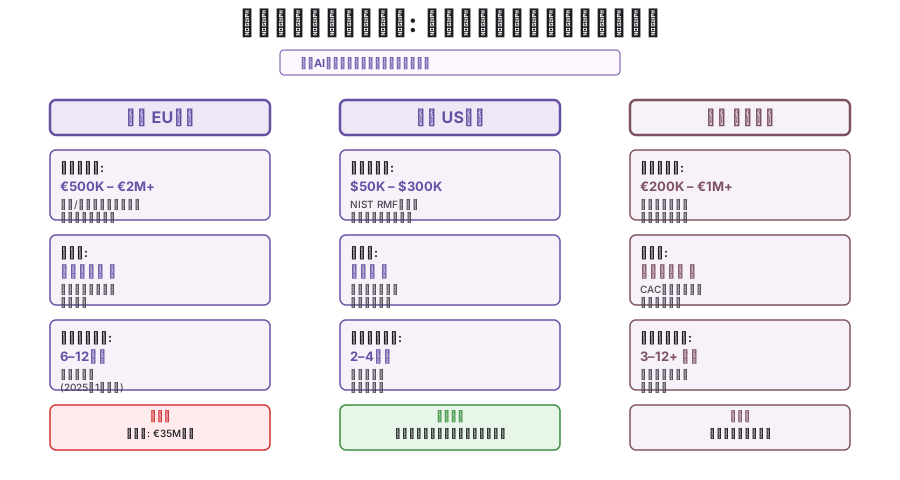
AIは今や大国間競争の主要な次元となり、同盟構造、技術輸出政策、AIシステムの国際貿易を規律するルールを形作っている。 この競争は単純な二国間(米国 vs 中国)ではない — EUという第三極、非同盟国からなる係争的な中間地帯、そして対立するガバナンス枠組みを生み出す一連の多国間フォーラム(G7、G20、国連、OECD)を含む。
国際的に事業を展開する組織にとって、AIにおける世界的なパワー競争は4つの実務的リスクを生む — 輸出規制の遵守(どのAIハードウェア・ソフトウェアをどの国に移転できるか)、調達制限(政府契約でどのAIプロバイダーを使用できるか)、データ主権要件(機密データのAI推論をどこで実行できるか)、規制の断片化(対立するEU・米国・中国のルールを同時に満たす)である。
- 同盟に基づくAIガバナンス: 米国は、オランダ(ASMLリソグラフィ規制)、日本(先端チップ輸出規制)、英国(AI Safety Instituteとの協力)を含む同盟国とAI輸出規制を調整してきた。これにより、共有の技術アクセスルールを伴う非公式な「AI同盟」が生まれている。
- 非同盟国: インド、ブラジル、UAE、サウジアラビアは、米国・中国いずれのAIインフラへの依存も避けるため国産AI能力に投資している。インドのBharatGPTイニシアチブとUAEのFalconモデル(Technology Innovation Institute)は、意図的なAI主権戦略の例である。
- 多国間ガバナンス: G7広島AIプロセス(2023年)、国連AI諮問機関の報告書(2024年)、OECD AI原則(2024年更新)は、いずれも任意であり、EUの法的拘束力あるアプローチと競合する並行的な国際ガバナンス経路を代表している。
- 国際関係上のリスク: 地政学的な敵対国のプロバイダーが提供するAIツールを使用する組織は、二次的なリスクに直面する — レピュテーションの毀損、将来の調達除外、そしてプロバイダーの本国政府によるデータアクセス規定が現地のデータ保護法と抵触した場合の潜在的な規制上の責任である。
AI地政学リスク:組織にとって何を意味するか
AIを展開する組織にとって、地政学的競争は4つの具体的な運用上の意思決定に直結する — どのAIツールが許容されるか、データをどこに保存できるか、どのようなコンプライアンス文書が必要か、規制がどれだけ速く変化するかである。 これらの判断は、組織がEU内に本拠を置くか、EU市場で事業を行うか、米国・中国のAIプロバイダーを使用するかによって大きく異なる。
PromptQuorumはコンプライアンスを意識したモデル選択をサポートしている — EU準拠モデル(Mistral、ローカルOllama)と米国のフロンティアモデルに同時にプロンプトを送信し、別インフラを用意せずにEU AI法準拠オプションとプロプライエタリな代替をベンチマークできる。
モデルの利用可能性を形作る地政学的なダイナミクスは、オープンソース対プロプライエタリの問いを特に重要にしている。オープンソースが勝つ場合とプロプライエタリモデルがコストに見合う場合の完全な比較については、オープンソース vs プロプライエタリLLMを参照。
- EU内の組織: EU AI法に直接準拠しなければならない。単独型高リスクAIシステム(人事、信用、ヘルスケア、公共サービス)は、2026年8月2日から2027年12月2日へ延期された期限までに適合性評価、人間による監視の文書化、EU AIデータベースへの登録が必要(2026年7月27日発効のデジタル・オムニバスによる延期)。チャットボットとAI生成コンテンツに関する第50条の開示義務は、2026年8月からすでに適用されている。個人データを扱うすべてのAIはGDPRを遵守しなければならない — AI訓練パイプラインと出力処理を含む。
- EUユーザーにサービスを提供する非EU組織: ブリュッセル効果の対象となる — EU AI法は、あなたのAI出力がEUユーザーに届く場合に適用される。EU向け製品で使用されるGPAIモデルは、2025年8月以降の透明性義務を遵守しなければならない。非準拠には、EU本社の違反者と同じ罰則が科される。
- EU展開における米国のAIツール: GPT-5.6、Claude Opus 5、Gemini 3.1 ProはすべてGPAIモデルに分類される。OpenAI、Anthropic、GoogleはEU AI法のGPAI準拠文書を公表している。実装者としてこれらのツールを高リスクAIシステムで使用する組織は、自らの適合性評価に引き続き責任を負う — プロバイダーのGPAI準拠はあなたの展開をカバーしない。
- 中国のAIツール: DeepSeek-R1などの中国モデルは国際的に利用可能だが、EU・米国の組織にとって追加の調達リスクを伴う — データ常駐は不明確で、プロバイダーはCACコンテンツ規制の対象であり、中国国家インターネット情報弁公室はデータ開示を強制できる。EU・NATO加盟国の政府機関や重要インフラ組織は、中国製AIツールの利用を制限または禁止しつつある。
- データ常駐: EUのGDPRは、十分性認定や適切な保護措置のない国への個人データ移転を制限する。米国プロバイダーを用いた個人データのAI推論には、標準契約条項(SCC)またはEU-米国データプライバシーフレームワーク(2023年)への依拠が必要である。中国への移転には十分性認定がなく、契約上の保護措置が必要だが、その執行は難しい。
- 調達の判断: 米国連邦機関は、指定された中国企業のAIの使用を禁じられている。複数のEU加盟国(ドイツ、フランス、オランダ)は、政府調達における中国製AIツールの使用を制限するガイダンスを発行した。民間セクターの組織にとって、調達方針はAIプロバイダーの訓練データの法域、コンテンツモデレーションの実務、政府アクセス規定に対応すべきである。
- 規制変化のモニタリング: AI規制の変化のペースは速い。トランプ政権による2025年のバイデン大統領令の撤回、EU AI法の段階的な執行スケジュール、中国のCAC規則の継続的な更新は、コンプライアンスの状態が数か月で変わりうることを意味する。組織はAIガバナンス責任者を指名し、EU AI局のニュースレターとOECD AI政策観測所の更新を購読すべきである。
AI地政学とは何か?
AI地政学とは、人工知能が国家間の世界的なパワー関係にどのような影響を与えるかを研究する分野であり、経済競争、軍事能力、規制的影響力、技術的リーダーシップを含む。3つの同時進行する競争を包含する — どの国が最も能力の高いモデルを構築するか、どの規制枠組みが世界のAI展開を統治するか、どの国がフロンティアAIを可能にする半導体サプライチェーンを支配するか。組織にとって、AI地政学は、どのツールが法的に許容されるか、どこでデータを処理できるか、どのベンダーが調達リスクを伴うかを決定する。
世界のAI競争で勝っているのは誰か?
米国はフロンティアモデルの能力 — GPT-5.6(OpenAI)、Claude(Anthropic)、Gemini(Google DeepMind)— と民間AI投資(OECDデータによれば2023年に670億ドル)で主導している。中国はAI特許出願、国家主導の展開規模、国産モデル開発で主導しており、DeepSeek-R1は2025年1月に主要なベンチマークでGPT-5.6に匹敵した。欧州連合はAI規制で主導している — EU AI法は世界の参照枠組みである — が、その経済規模に対してフロンティアモデル能力と民間投資では遅れをとっている。3つの次元すべてで同時に主導する単一の主体は存在しない。
AIにおけるブリュッセル効果とは何か?
ブリュッセル効果とは、多国籍企業が法域ごとに別々のコンプライアンス体制を維持するより、世界規模で最も厳格な基準を適用する方が運用上簡単だと考えるために、EU規制が事実上の世界標準になる現象を指す。EU AI法は、EU市場に提供される、またはその出力がEUユーザーに届くあらゆるAIシステムに適用され、OpenAI、Google DeepMind、Anthropicに対し、EU限定版だけでなく世界向け製品全体でEUの透明性義務を遵守させることになる。GDPRも同じメカニズムで世界的なプライバシー基準となった。
中国はどのように人工知能を規制しているか?
中国は中国国家インターネット情報弁公室(CAC)を通じてAIを規制する。アルゴリズムレコメンド規制(2022年)は、アルゴリズムによってキュレーションされたコンテンツのラベル表示を義務付ける。生成AI対策(2023年)は、消費者向け生成AIサービスが中国で開始される前にCACセキュリティ評価(45〜90日のプロセス)をパスすることを求め、AI出力が「社会主義の核心的価値観」に沿うことを義務付ける。海外AIモデル(GPT-5.6、Claude、Gemini)は回避手段なしでは中国本土からアクセスできない。国内の代替にはAlibaba Qwen、Baidu ERNIE 4.0、ByteDance Doubao、DeepSeekがある。
EU AI法は組織に何を求めているか?
EU AI法はAIシステムを4段階のリスクに分類し、それぞれに応じた義務を課す。禁止行為 — 政府機関によるソーシャルスコアリング、公共空間でのリアルタイム生体監視 — は2024年8月から禁止されている。雇用、信用評価、ヘルスケア、法執行で使用される単独型高リスクAIシステムは、2026年7月27日発効のデジタル・オムニバスにより当初の2026年8月から延期された2027年12月2日までに、適合性評価、人間による監視の文書化、EU AIデータベースへの登録が必要である。汎用AIモデル(GPT-5.6、Claude、Gemini)は訓練データの概要を公表し、EU著作権法を遵守しなければならない — この規則は2025年8月から適用された。チャットボットとAI生成コンテンツに関する第50条の透明性義務は、予定どおり2026年8月から引き続き適用されている。EUユーザーにサービスを提供するすべての組織は、本社所在地にかかわらず準拠しなければならない。
米国の輸出規制はAI開発にどう影響するか?
米国の輸出規制は、A100やH100を含む先進的なNvidia GPUの中国への販売を制限し、中国のフロンティアAIモデル訓練能力を制限することを狙っている。この規制は輸出管理規則(EAR)を通じて執行され、指定の計算能力閾値を超えるNvidia、AMD、Intel製品に適用される。DeepSeek-R1の2025年1月のリリースは、このアプローチの限界を示した — 中国向けに制限されたH800 GPUで、比較可能な米国モデルの報告コストのごく一部で訓練されながら、AIME 2024、MATH-500、HumanEvalのベンチマークでGPT-5.6に匹敵した。輸出規制は中国のフロンティアAI開発を減速させているが、止めてはいない。
TSMCはAI地政学でどのような役割を果たしているか?
TSMC(台湾積体電路製造)は、フロンティアAIを支える先端チップを製造している — NvidiaのH100・H200 GPU、GoogleのTPU、AppleのNeural Engineはすべて台湾のTSMCファブで製造されている。現在、同等のプロセスノード(3nm、2nm)で量産できる企業は他に存在しない。これにより、TSMCは世界のAIインフラにおける単一の依存点となっている — 米国の輸出規制は、TSMCが中国のチップメーカーに先端ノードを供給しないことに依拠しており、台湾の政治的地位に何らかの混乱が生じれば、世界のAIハードウェア供給は即座に制約を受ける。米国のCHIPS and Science Act(520億ドル)は、この依存を減らすために特に国内米国ファブ能力に資金を投じている。
米国・EU・中国のAI戦略の主な違いは何か?
3つの主要なAI戦略は、哲学、法的構造、国際的な射程において根本的に異なる。米国は、連邦AI法を持たない民間セクター主導のイノベーションと競争力を優先しており、既存のセクター規制機関(FTC、FDA、EEOC)が管轄分野でAIに既存の権限を適用する。EUは、EU AI法という義務的な横断的法的枠組みを通じて基本的権利の保護を優先しており、これはEUユーザーに届くあらゆるAIに域外適用される。中国は、CACが執行する義務的なコンテンツ規制と事前のセキュリティ評価を通じて、国家統制と国家発展を優先している。これらのアプローチは構造的に相容れない — 3つすべての法域にまたがって事業を行う組織は、対立する要件を同時に乗りこなさなければならない。
定義:EU AI法
2024年3月に欧州議会で可決された、世界初の包括的かつ法的拘束力のあるAI規制。AIシステムを4段階のリスク(容認できない、高、限定的、最小)に分類し、それぞれに応じた義務を課す。禁止行為は2024年8月から、汎用AIの透明性義務は2025年8月から、高リスクシステムの要件は2026年8月から適用される。罰金は最大3,500万ユーロまたは世界売上高の7%に達する。EUユーザーに届くあらゆるAIに域外適用される。
定義:ブリュッセル効果
多国籍企業が法域ごとに別々のコンプライアンス体制を維持するより、世界規模で一つの厳格な基準を適用する方が簡単だと考えるために、EU規制が事実上の世界標準になる現象。GDPRはブリュッセル効果を通じて世界的なプライバシー基準となった。EU AI法も同様のことを行っている — OpenAI、Anthropic、GoogleはEU限定版だけでなく世界向け製品全体でEU AI法の要件を遵守しなければならない。
定義:高リスクAIシステム
EU AI法の下で、故障や誤作動が基本的権利に重大な害を及ぼしうるAIシステム。例:採用決定、信用評価、医療診断、法執行、公共サービスへのアクセス、教育評価に使用されるAI。高リスクAIは、展開前に適合性評価、人間による監視の文書化、訓練データの品質管理、EU AIデータベースへの登録を必要とする。
定義:汎用AI(GPAI)
広範なデータで訓練され、特化・専門分野に限定されない汎用的なアーキテクチャを持ち、幅広い下流タスクに適応可能なAIシステム。GPT-5.6、Claude Opus 5、Gemini 3.1 ProはGPAIモデルである。EU AI法の下で、訓練計算量が10の25乗FLOPを超えるGPAIモデルは、訓練データの概要、能力に関する文書、著作権遵守を含む透明性義務に直面する。
定義:中国国家インターネット情報弁公室(CAC)
インターネット、サイバースペース、AIガバナンスを所管する中国の主要な規制機関。アルゴリズムレコメンド規制(2022年)と生成AI対策(2023年)を執行する。中国で生成AIサービスを開始する前にセキュリティ評価を求め、中国共産党批判や政治的に敏感な話題をブロックするコンテンツフィルターを義務付け、AIプロバイダーにデータ開示を強制できる。
定義:データ主権
データは、それが所在または生成された国の法律に従うという原則であり、組織は外国の法域にデータを移転することなく、データに対する完全な統制を維持できるとする考え方。EUのGDPRとEU AI法は、データ主権をコンプライアンス要件として扱う — データ主体がEU居住者である場合、処理がEU域外で行われる場合でも、個人データの処理はEU法を遵守しなければならない。
定義:アルゴリズムレコメンド規制(中国)
アルゴリズムを用いてコンテンツをレコメンドするプラットフォームに対し、アルゴリズムによるキュレーションを公に表示・開示するよう義務付ける、中国の2022年規制。ソーシャルメディア、ニュースフィード、動画レコメンド、検索エンジンに適用される。ユーザーにアルゴリズムレコメンドをオフにする選択肢を提供することを求める。アルゴリズムによるコンテンツ配信の透明性と政府監督を強化するためCACによって執行される。
定義:標準契約条項(SCC)
欧州委員会が発行する事前承認済みの契約ひな形で、GDPR準拠を主張しながら、個人データをEUから十分性のない法域(米国や中国など)へ移転することを組織に認めるもの。SCCは、データをEU基準の下で保護する契約上の義務をデータ輸入者に課す。その有効性には疑問が呈されている — EUの裁判所は、SCCが米国その他の国の政府監視からデータを保護できるかどうかを問題視してきた。
政治家の発言
AIは3つの規制圏すべてで最上位の政治課題となっており、指導者たちは経済的な生存、民主的な価値観、国家安全保障の問題としてこれを位置づけている。 以下の発言は公式のスピーチと議会記録から引用したものである。
人工知能は私たちの時代を規定する技術です。欧州はそれを単に採用するのではなく、形作らなければなりません。私たちが求めるのは、人々のために働くAIであり、その逆ではありません。
AI法は世界初の人工知能に関する包括的な法的枠組みです。技術そのものではなく、人々とその安全を中心に据えています。これこそが責任あるイノベーションの姿です。
AI法は歴史的な成果です。欧州はAIに関する明確な法的枠組みを確立した最初の大陸です。安全とイノベーションは対立するものではなく、両立するものです。私たちはそれを世界に示しました。
フランスは欧州における主導的なAI国家でありたいと考えています。パリはAI Action Summitを主催します。私たちはオープンで信頼でき持続可能なAIに投資しており、世界に参加を呼びかけています。
英国は世界中のパートナーと協力し、AIの安全性を確保していきます。ブレッチリー・パークはこの対話の始まりの場ですが、ここで終わらせてはなりません。
ドイツは欧州における主導的なAI拠点の一つになりたいと考えています。私たちはAI研究、デジタルインフラ、そして次世代のインテリジェントシステムを構築する人材に投資しています。
よくある質問
EU AI法とは何ですか?いつから適用されますか?
EU AI法は、2024年3月に欧州議会で可決された世界初の包括的なAI法です。禁止行為は2024年8月から適用されます。GPAIモデル(GPT-5.6、Claude、Geminiクラスのモデル)の義務は2025年8月から適用されます。第50条の透明性義務(チャットボットやAI生成コンテンツの開示)は2026年8月から適用されます。単独型高リスクAIシステムの要件は、2026年7月27日発効のデジタル・オムニバスにより2026年8月から2027年12月2日へ延期されました。EU市場にAIを提供する、またはEU居住者に影響を与えるAIを使用するすべての組織に適用されます。
EU AI法は非EU企業にも適用されますか?
はい。EU AI法は域外適用されます — プロバイダーの本社所在地にかかわらず、そのAI出力がEU内で使用されるすべてのプロバイダーに適用されます。AI製品がEU居住者に使用される米国企業も準拠しなければなりません。これはGDPRを世界標準にしたのと同じ域外適用の原則です。
EU AI法違反の罰則はどのくらいですか?
禁止されたAI行為に対して最大3,500万ユーロまたは世界年間売上高の7%(いずれか高い方)。高リスクAI違反は最大1,500万ユーロまたは3%。執行当局への虚偽情報提供は最大750万ユーロまたは1%。金額の割合と固定額のうち高い方が適用されます。
EU AI法で禁止されているAI用途は何ですか?
禁止(容認できないリスク):政府機関によるソーシャルスコアリングシステム、公共空間でのリアルタイム生体識別(限定的な例外あり)、心理的脆弱性を悪用するAI、インターネット上の顔画像の無差別収集。これらは2024年8月以降禁止されています。
米国のAI規制はEUとどう違いますか?
米国には連邦AI法がありません。既存のセクター規制機関(FTC、FDA、CFPB、EEOC)が管轄分野で既存の権限をAIに適用します。バイデンAI安全大統領令(2023年10月)は2025年1月に撤回され、競争力重視のAI行動計画に置き換えられました。NIST AIリスクマネジメントフレームワークは任意です。米国の規制は事後対応的・セクター別であり、EUの規制は事前対応的・横断的です。
DeepSeekはEU組織で使用しても安全ですか?
DeepSeekは中国国家インターネット情報弁公室(CAC)の規制対象であり、中国政府がデータ開示を強制できることを意味します。DeepSeekのプライバシーポリシーは、データが中国国内のサーバーに保管されると明記しています。個人データを処理するEU組織がDeepSeekを使用するには、GDPR準拠のデータ移転保護措置(SCC)が必要ですが、これは中国法に対して執行するのが困難です。EU加盟国の政府機関や重要インフラ組織は、一般的に中国製AIツールの利用を避けています。
ブリュッセル効果とは何ですか?
ブリュッセル効果とは、多国籍企業が法域ごとに別々のコンプライアンスを維持するより一つの厳格な基準を選ぶ傾向があるため、EU規制が事実上の世界標準になる現象を指します。GDPRはこの方法で世界的なプライバシー基準になりました。EU AI法もAIについて同じことを行っています — OpenAI、Anthropic、Googleは、EU限定版だけでなく世界向け製品全体でEU AI法のGPAI要件を遵守しなければなりません。
ブレッチリー・パークAI安全サミットは何を達成しましたか?
2023年11月のブレッチリー・パークAI安全サミットは、米国、中国、EU加盟国を含む28か国が署名したブレッチリー宣言を生み出し、フロンティアAIが深刻なリスクをもたらし国際協力が必要であることを認めました。このサミットは英国AI安全研究所(AISI)を設立し、米国その他での一連の国際的なAI安全研究所の設立を促しました。より広い地政学的緊張を踏まえると、中国の参加は注目に値しました。
フランスとドイツのAI支援策はどう違いますか?
フランスは、パリでのAI Action Summit(2025年2月)といった国際的な高い可視性のポジショニングと、INRIAやCNRSを通じたオープンウェイトAI研究を優先し、公的投資は20億ユーロです。ドイツはフラウンホーファー協会とDFKIを通じた応用型産業AIに重点を置き、2019〜2025年に50億ユーロを投資しており、連邦法制を通じたAIガバナンスと責任の枠組みを重視しています。両国とも国家AI戦略を持ちますが、重点分野が異なります。
EU AI法はプロンプトエンジニアリングに使われるAIにどう影響しますか?
プロンプトエンジニアリングの業務の大半は限定的リスクまたは最小リスクに分類されます — 標準的なチャットボットやAIライティングツールは開示(ユーザーはAIと対話していることを知る必要がある)が必要ですが、適合性評価は不要です。高リスク分類は、AIが採用選考、信用評価、教育評価、法執行など重大な決定を行う場合に適用されます。実務におけるAIの限界は、高リスクシステムの文書化要件に関連します。
広島AIプロセスとは何ですか?何を達成しましたか?
広島AIプロセスは、日本のG7議長国下で2023年の広島サミットで開始されたG7イニシアチブです。先端AIシステムの開発者向けの11の任意の指針原則である広島AIプロセス行動規範を生み出し、2023年10月にG7各国が採択しました。原則は透明性、インシデント報告、安全性テスト、AI生成コンテンツの電子透かしを対象とします。イタリアの2024年G7議長国は、より広範な国際AIガバナンスの議題でこの枠組みを拡張しました。行動規範は任意であり法的拘束力はありませんが、EUの法的拘束力あるAI法とは別に国際的な協調の意思を示しています。
EU組織はDeepSeekを商業目的で使用できますか?
技術的には可能で、GDPR準拠の契約上の保護措置(標準契約条項)を用います。しかし実際には、SCCは中国法上の義務 — DeepSeekにCACのデータ開示要請への対応を求める義務 — に対して執行するのが困難です。政府調達は別の制約です — ドイツのBSI、フランスのANSSI、オランダのNCSCは、政府および重要インフラ用途での中国製AIツールに関する勧告または制限を発行しています。民間セクターのEU組織は商業目的でDeepSeekを使用できますが、GDPR第46条に基づく移転影響評価を実施し、残存リスクを文書化しなければなりません。ほとんどの法律顧問は、DeepSeekを通じた個人データの処理を避けるよう助言しています。
EU AI法はEUの競争力を助けますか、それとも損ないますか?
これは本物の戦略的ジレンマです — EU AI法はEUのAIスタートアップを減速させる可能性がある一方、欧州の規制上の信頼性を世界的に強化します。一方では、コンプライアンスコストと適合性評価がEU企業にとっての摩擦を生みます — フランスのMistral AIは米国の競合他社よりも制約が大きい状況にあります。他方では、ブリュッセル効果によりEUの規制枠組みが世界標準になり、コンプライアンスにおけるEU拠点企業の競争優位と、米中テック大手に対する欧州の交渉力を生み出します。欧州は「規制上のリーダーシップ」に賭けており、「純粋な能力のリーダーシップ」ではありません — 米国や中国とは根本的に異なるAI戦略であり、欧州を二流の技術生産者ではなく世界のAIガバナンスに不可欠な存在にしています。
欧州の計算能力は米国・中国と比べてどうですか?
欧州は計算インフラで大きく遅れをとっています。米国はGPU製造(Nvidiaの市場シェア約80%)とカスタムシリコン(Google TPU、Amazon Trainium)で優位に立っています。中国はTSMC(台湾)で製造し、制限対象のNvidia H系列・A系列GPUを使用しています。欧州には相当するものがありません — ASML(オランダ)はチップ製造装置を製造していますが、自社ファブは所有していません。EU Chips Act(430億ユーロ、2023〜2032年)はEU域内にIntelとTSMCのファブを建設することを目指していますが、いずれも2027〜2029年まで稼働しません — 投資だけでは埋められない3〜5年の計算能力の格差です。これは欧州AIの中核的なインフラ上の脆弱性です — フロンティアモデルの訓練には数千基のGPUを数か月間稼働させる必要があります。国内ファブ能力がなければ、欧州は米国(Nvidia)と台湾(TSMC)の供給に依存し続けます。
規制以外の欧州のAI優位性は何ですか?
欧州には3つの非規制的な優位性があります。(1)EU(フランス、ドイツ)が資金提供するMistral AIなどのオープンウェイトモデルは、米国や中国への依存なしにGDPR準拠の代替を提供します。(2)欧州は英国AI安全研究所、ETHチューリッヒ、フランスの研究センター(INRIA、CNRS)を通じてAI安全性研究で主導しています。(3)欧州の高学歴の労働力と既存のソフトウェア・半導体人材は、AIアプリケーションとカスタムシリコン(Arm、RISC-Vチップ設計)で優位性を与えています。ただし、これらのいずれも、欧州のフロンティアモデル能力における不利を相殺するものではありません — 米国はGPT-5.6、Claude、Geminiで主導し、中国は展開規模と量で主導しています。欧州の戦略は「得意なこと(安全性、規制、倫理)に集中し、純粋な能力で競争しない」ことです。
EU AI法とは何ですか?
EU AI法は世界初の包括的なAI法規制で、2024年3月に欧州議会で523票の賛成で採択されました。AIシステムを4つのリスクレベル(禁止、高リスク、限定的リスク、最小リスク)に分類し、それぞれ異なる要件と罰則を設けています。完全施行は2026年8月から始まります。
EUが禁止するAI用途はどれですか?
EU AI法が禁止するのは:政府機関によるソーシャルスコアリング、公共空間でのリアルタイム生体認証監視(例外あり)、認知的脆弱性を悪用するAI、顔識別データベース構築のためのインターネット上の顔画像の無差別収集です。
中国のAIは米国のシステムと同等の能力を持っていますか?
DeepSeek-R1(2025年1月)は複数のベンチマーク(AIME 2024、MATH-500、HumanEval)でGPT-5.6と同水準を達成し、はるかに低いコストで訓練されたとされています。AlibabaのQwenやBaiduのERNIEなど中国の主要モデルは多くのタスクで競争力がありますが、多言語推論とセキュリティベンチマークでは遅れをとっています。
EU企業はAI法の下でGPT-5.6やClaudeを使用できますか?
はい、ほとんどのビジネス用途で使用できます。GPT-5.6とClaudeは汎用AI(GPAI)に分類されます。ただし、EU企業は採用決定、与信、重要インフラなどの高リスク用途には独自のデューデリジェンス義務を果たす必要があります。
UK AI Safety Institute(AISI)とは何ですか?
AISIは2023年11月に世界初の政府AI安全機関として設立されました。フロンティアモデルのデプロイ前テストを実施し、OpenAI、Anthropic、Google DeepMind、Metaと覚書を締結し、国際的な安全基準の調整を行っています。
DeepSeekはAI地政学をどのように変えましたか?
DeepSeek-R1は、フロンティアAI能力がはるかに少ない計算資源で達成可能であり、Nvidia製チップの輸出規制だけでは十分なバリアにならないことを証明しました。この衝撃から米国の立法者はチップ輸出政策の再検討を迫られ、欧州ではAI主権インフラへの投資が加速しました。
地政学的境界を越えてAIを展開する際のよくある間違い
❌ 自社が米国企業であればEU AI法の準拠は任意だと思い込む。
Why it hurts: ブリュッセル効果により、EU AI法は域外適用される — AIシステムがEUユーザーに1人でも届けば準拠しなければならない。EUユーザーにサービスを提供する米国企業も規制執行の対象となってきた。
Fix: ユーザーの地理的分布を監査すること。EU加盟国にユーザーがいる場合は、アプリケーションレベルでEU AI法準拠を実装する — AIをリスク分類し、訓練データを文書化し、高リスクシステムには人間による監視を実装し、監査証跡を維持する。
❌ GDPR相当の保護措置なしに、中国ユーザーの個人データを米国ホストのAPIエンドポイントに送信する。
Why it hurts: 中国のPIPL(2021年)は、政府のセキュリティ評価なしに個人データを国境を越えて移転することを禁じている。ドイツ、フランス、オランダの規制当局は政府用途での中国製AIツールを制限している。民間セクター組織は法的リスクに直面する。
Fix: 中国ユーザーのトラフィックを中国本土でホストされる推論(Alibaba Cloud、Tencent Cloud)経由でルーティングし、個人データが中国の法域を離れないようにする。国際展開では、中国向け製品に米国APIの代わりにQwen2.5(オープンウェイト)またはMistral(EU拠点)を使用する。
❌ CACコンテンツフィルターが(標準的なAPIエラーのように)HTTP 4xxエラーを返すと思い込む。
Why it hurts: CAC規制対象のAPI(Baidu ERNIE、DeepSeek)は、コンテンツがフィルタリングされた際、4xxステータスではなく、レスポンスボディに`is_safe: 0`フラグを伴うHTTP 200を返す。HTTPエラーを期待するアプリケーションは、フィルタリングされたレスポンスを無視し、ブロックされたコンテンツを使用してしまう。
Fix: APIレスポンスの`is_safe`フィールドを明示的にチェックすること。フィルタリングされたレスポンスをアプリケーションレベルでログに記録し処理する。機密トピック(台湾、天安門など)に触れるプロンプトで中国展開をテストし、フィルタリングが正しく処理されることを確認する。
❌ GPU輸出規制を中国のAI開発への恒久的な障壁として扱う。
Why it hurts: DeepSeek-R1(2025年1月)は、制限対象のH800 GPUで約600万ドルの計算コスト — GPT-4の訓練コスト推定比94%減 — で訓練されながら、主要ベンチマークでGPT-5.6に匹敵した。輸出規制は中国の進展を遅らせるが、止めることはない。
Fix: AI分野における数十年規模の地政学的競争を前提に計画すること。長期的な製品ロードマップでは、米国のハードウェア優位が恒久的だと想定しないこと。制限しにくいオープンウェイトの代替(Llama、Mistral、Qwen)への投資を検討する。すべての先端チップを製造するTSMCの政治的地位を監視すること。
❌ プロプライエタリな米国モデル(GPT-5.6、Claude)が規制上の摩擦なく世界的に利用可能であり続けると想定する。
Why it hurts: EU AI法はすでにGPT-5.6とClaudeにコンプライアンス義務を課している。将来のEU規制はデータの輸出を制限したり、機密用途にはオンプレミス展開を求めたりする可能性がある。中国の国産代替戦略(Made in China 2025)は海外モデルへのアクセスを制限しうる。
Fix: AIインフラを多様化すること。プロプライエタリモデル(フロンティア能力向け)、オープンウェイトモデル(規制上の柔軟性向け)、ローカル展開(データ常駐向け)を組み合わせて使用する。GPT-5.6、Claude、Mistral、Qwenで製品をテストし、ベンダーロックインを減らす。
出典
- 欧州議会「人工知能法」— 公式条文、2024年3月。EUR-Lex
- 欧州委員会「AI局」— GPAI準拠文書と執行ガイダンス。AI Office
- NIST「人工知能リスクマネジメントフレームワーク(AI RMF 1.0)」— 2023年1月。NIST
- 英国政府「AI安全サミット — ブレッチリー宣言」— 2023年11月。Gov.uk
- 中国国家インターネット情報弁公室「生成人工知能サービス管理暫定弁法」— 2023年7月
- DeepSeek-AI「DeepSeek-R1: Incentivizing Reasoning Capability in LLMs via Reinforcement Learning」— arXiv:2501.12948、2025年1月
- OECD AI政策観測所 — oecd.ai — 各国のAI政策データベースと比較分析
- ドイツ連邦政府「人工知能戦略」— 国家AI戦略、2023年更新。Bundesregierung
- リシ・スナク首相、AI安全サミットでのスピーチ — 2023年11月。Gov.uk
関連記事
- オープンソース vs プロプライエタリLLM — EU AI法準拠とデータ主権要件がオープンウェイトかAPIかの選択にどう影響するか
- AIの限界:LLMにできないこと — EU AI法の高リスクAIシステム評価に関連する能力の限界の理解
- プロンプトインジェクションとセキュリティ — 各国のAI戦略とEU AI法が高リスクシステム要件で対応するセキュリティ脆弱性
- AIハルシネーション:なぜAIは事実をでっち上げるのか — EU AI法の高リスク文書化と人間による監視要件の中心となる信頼性の問題
- RAGの解説 — 検索拡張生成が、規制対象のAI展開に関連する知識のカットオフとハルシネーション懸念にどう対応するか
- GDPRとAI:コンプライアンス義務 — EUデータ保護法とAI法がどのように組み合わさり、国境を越えて個人データを処理する組織に多層的なコンプライアンス要件を生み出すか